Working with a Manufacturer for Custom Lab Diamond Jewelry Lines
Navigating new jewelry product development demands clear communication, realistic expectation setting, and deep alignment between brand creative vision and factory‑side production capability. Many emerging and established jewelry labels aim to launch distinct collections built around man‑made gemstones, yet lack hands‑on experience turning rough creative ideas into sellable finished stock. Partnering with experienced production partners removes common roadblocks that sink new projects, from unrealistic design parameters to mismatched stone specifications and unplanned production delays. This piece breaks down practical, real‑world cooperation stages, technical considerations, cost drivers, and quality‑control best practices, written from factory operational perspective for brands preparing their first custom gem‑set jewelry rollout.
Translating Brand Vision Into Production Ready Design Files
Every successful jewelry collection starts by bridging abstract brand mood boards with manufacturing‑ready technical outputs. Brands often arrive with reference photos, hand‑drawn concept sketches, and descriptive style notes, without understanding which decorative features translate cleanly to physical metal forming and stone setting. Design teams at the manufacturing side first evaluate wearability, casting feasibility, stone seat geometry, and long‑term durability before moving toward formal CAD work.
During this phase, technical teams will confirm metal alloy choices, surface finish options, stone mounting styles, and tolerances for every component. Thin shanks, extreme open‑work patterns, and overly delicate prong structures frequently require iterative adjustments. Design revisions balance aesthetic intent against real‑world retail wear, preventing high return rates once goods reach end customers. At this stage, the project scope also clarifies whether pieces will center custom lab diamond jewelry as the core collection anchor, or mix lab‑grown gemstones alongside complementary accent stones across earrings, pendants and bracelets.
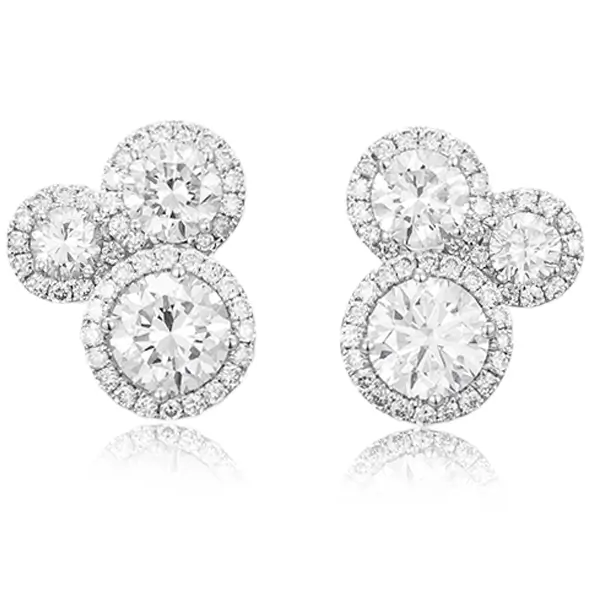
Design feedback loops require brands to supply hard requirements: target retail price brackets, intended daily‑wear performance, preferred stone proportions, and chain or sizing adjustability needs. Without these benchmarks, CAD outputs risk producing visually attractive items that cannot hit target cost per unit. Once design iterations lock in, finalized CAD renderings provide visual confirmation, and preliminary bill‑of‑material sheets outline estimated material weights, stone costs, labor allocations, and projected unit pricing for future order volumes.
Defining Stone Specifications For Custom Lab‑Grown Gem Applications
Stone selection forms one of the most impactful variables across the whole project. Lab‑grown diamond options cover CVD and HPHT growth methods, spanning full color ranges, clarity grades, and cut profiles. Brands must decide between standard calibrated sizes or bespoke stone dimensions tailored exclusively for their collection. Many labels seek tailored finished pieces, and lab diamond custom jewelry opens flexible creative territory unavailable within pre‑made catalog inventory.
Manufacturers walk partners through trade‑offs between stone grading tiers. For fashion‑oriented lines, some clients prioritize vivid visual sparkle over top‑tier laboratory grading reports, balancing consumer‑facing beauty against landed unit cost. Other projects target higher‑end positioning and demand fully documented stones with consistent cut, color and clarity across the whole run. Critical conversations cover stone hardness compatibility with setting techniques, risk of chipping on exposed corners, and supply‑chain lead‑times for non‑standard dimensions.
For statement‑focused individual items, lab diamond custom ring represents one of the highest‑demand SKU categories for brand‑led custom development. Ring designs introduce unique engineering challenges: shank thickness must support stone weight, setting height influences everyday comfort, and size scaling must preserve stone proportion across the full ring‑size range. Factories highlight common pitfalls here. Enlarging or shrinking a ring CAD file without adjusting prong placement and seat depth creates loose stone settings or structural stress points, which trigger stones loosening after limited consumer wear. Every custom ring project needs separate technical checks for each size within the size run, rather than simple one‑click file scaling.
Prototyping And Sample Validation Before Full Order Commitment
Physical sampling stands as non‑negotiable step before committing to large‑scale output. Digital CAD images cannot replicate metal weight, surface texture, light reflection of faceted stones, and real‑world hand feel. Two primary sample types serve different project goals: quick wax or brass test samples for form check, and final pre‑production samples using actual target metal and lab‑grown diamonds matching intended bulk order specifications.
Brands should inspect samples against multiple evaluation criteria. Visual alignment with approved design, stone security when applying gentle physical pressure, comfort during wear test, polish consistency, engraving or laser marking clarity, and weight matching against projected BOM figures all need thorough review. Any mismatch gets logged with clear revision instructions sent back to factory technical teams. Minor adjustments may include tightening prong spacing, modifying band curvature, tweaking stone seat depth, or switching from high‑gloss polish to matte brushed texture.
Sample cycles can iterate two or more rounds for complex collections. Rushing through sampling almost always creates expensive problems downstream. Approved pre‑production samples act as the official reference benchmark. Every finished unit produced later will compare against this physical master sample during internal factory quality inspection. Brands are advised to retain one signed‑off reference sample within their own office, for cross‑checking incoming shipments upon delivery.
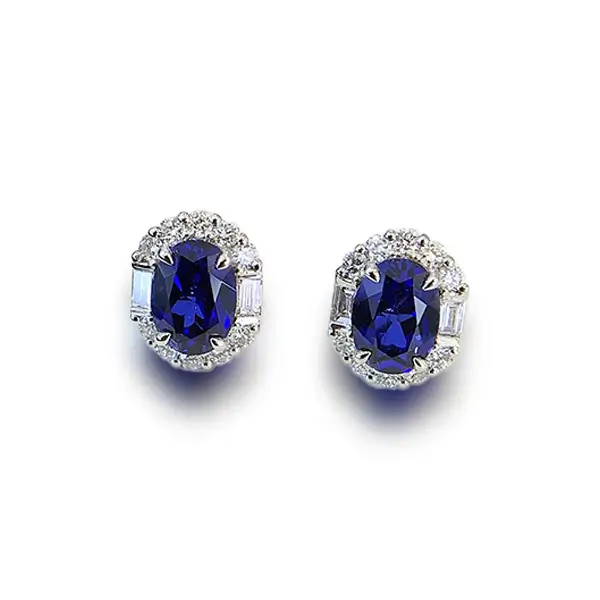
Cost Structure And MOQ Planning For Collection Rollout
Cost building for custom jewelry combines several stacked components: CAD and sample development fees, precious metal material expense, lab‑grown diamond procurement, casting and finishing labor, stone‑setting work, plating or PVD surface treatment, internal quality assurance, and neutral or branded marking. Development charges for sampling and design work often apply per new style. Some manufacturers can partially credit these fees once bulk‑order volume hits agreed thresholds.
Minimum‑order quantity rules differ widely from one facility to another. Smaller test runs allow brands to test market response for fresh designs before scaling investment. When preparing for expanded market release, teams prepare for workflows tied to mass production jewelry manufacturers, where optimized casting batch sizes, grouped stone sourcing, and standardized production workflows drive down per‑unit cost.
It is important to clarify unit pricing across different order volumes up front. Unit cost will shift when order size expands, metal spot price fluctuates, or stone specification changes occur. Contracts should document price validity windows, material price adjustment clauses, allowed defect percentage thresholds, and how rework or replacement gets handled for non‑conforming units. Transparent cost discussion avoids unexpected budget overruns halfway through project execution. Brands also need to budget ancillary costs such as independent third‑party gemstone certification if required for marketing and consumer disclosure.
Quality Assurance Systems Throughout Manufacturing Cycles
Robust quality control unfolds at multiple sequential production stages, not merely one final spot‑check prior to shipping. After wax printing or wax injection, technicians inspect wax patterns for surface flaws, dimension deviation and stone‑seat accuracy. Cast metal pieces go through visual inspection for porosity, cracks and incomplete form before polishing commences. Post‑polishing inspection reviews surface finish, sharpness of details and removal of casting blemishes.
Stone setting represents another high‑risk checkpoint. Every lab‑grown diamond is seated properly, prongs are bent without over‑stress, and each gem receives visual check for chips incurred during mounting. Plating or surface coating batches include test pieces to verify coating thickness, color tone and adhesion performance. Final finished goods get cross‑referenced against the approved pre‑production sample. Dimensions, marking, stone alignment and weight are spot‑checked across production batches.
Defective units get separated for rework or outright scrapping according to pre‑agreed terms. Reputable production partners provide defect rate reporting for each completed order. Brands gain opportunity to raise feedback if recurring issues emerge for specific design styles, allowing design tweaks for future re‑orders. Consistent quality protocols directly lower after‑sales burden for brands selling custom lab‑diamond jewelry collections to retail shoppers.
Logistics Packaging And Final Bulk Delivery Preparation
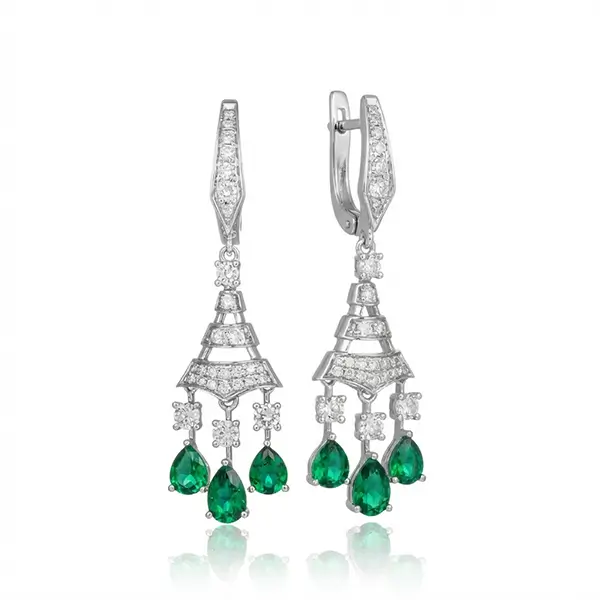
As manufacturing completes, projects move toward finishing logistics work. Brand requirements cover custom inner box dimensions, outer carton labeling, hang‑tag attachment, individual poly bag protection, and unit‑level serial marking where applicable. Factories can support neutral unbranded output or implement brand‑specific marking, laser engraving and packaging assembly based on client instructions.
Lead‑time expectations should account for every phase: design development, sample iteration, material procurement, actual production runs, internal quality screening and final packing. Unexpected delays can stem from supply gaps for specialty lab‑diamond dimensions, complicated rework cycles, or volatile precious‑metal supply conditions. Reliable partners share periodic project progress updates so brands maintain visibility without constant follow‑up messages.
Upon shipment completion, full documentation includes packing lists, material summaries, gemstone document manifests where applicable, and shipping tracking information. Brands are recommended to schedule their own incoming goods inspection once shipments arrive. Comparing delivered finished stock against the physical master sample catches any batch drift that may have slipped past factory screening.
Building Long‑Term Iteration Cycles For Jewelry Collections
Completing the first bulk order marks not an endpoint, but the start of ongoing collection development. Real‑world retail feedback reveals consumer preference shifts. Certain styles within a line may outperform projections, while others see limited traction. Working closely with manufacturing resources enables fast‑follow adjustments: resizing existing SKUs, modifying accent‑stone layouts, adjusting metal finishes, or developing derivative new styles built upon best‑selling silhouettes.
Clear historical records for every design, material variant and stone specification streamline re‑order cycles. Keeping CAD files, BOM sheets, sample photos and defect notes organized reduces repeated development work. Long‑run cooperation also opens access to better lead‑time scheduling and volume‑based pricing benefits for growing jewelry lines. Thoughtful early‑stage collaboration between brand creative vision and factory technical expertise turns conceptual custom jewelry ideas into stable, market‑ready product lines that can scale sustainably over multiple selling seasons.
Leave a Reply