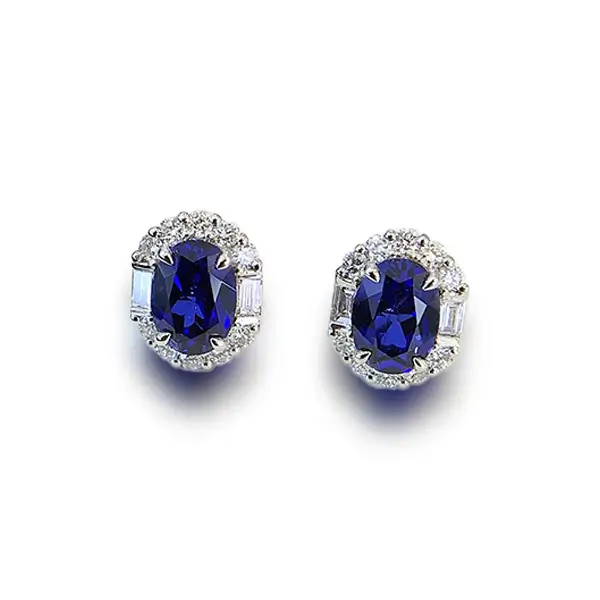
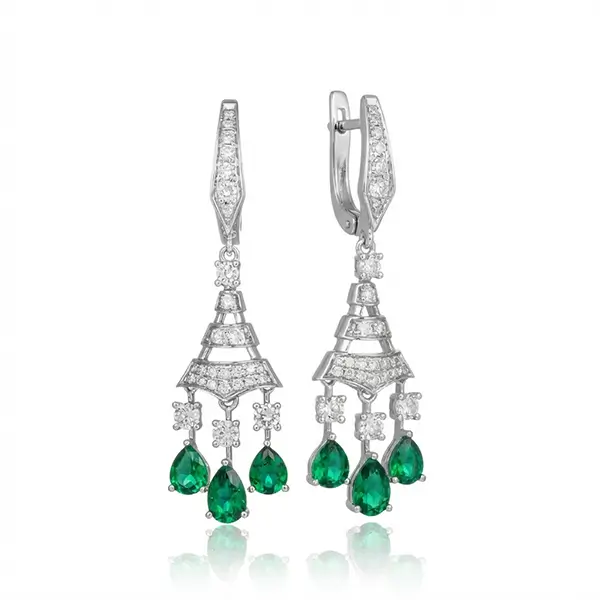
Sustainability Advantages Behind Custom Lab Diamond Jewelry Creation

The global fine‑jewelry landscape is shifting rapidly as modern buyers weigh environmental footprint and ethical sourcing alongside visual appeal and craftsmanship. More shoppers reject outdated mining‑linked narratives and actively seek pieces that align with personal values without compromising luxury aesthetics. Custom lab‑diamond jewelry sits perfectly at this intersection, bringing together bespoke design freedom, gemological authenticity, and tangible sustainability benefits built deep within production workflows. Every step from raw crystal formation to final hand‑setting creates opportunities to lower ecological harm, deliver transparent origins, and build pieces that carry meaningful stories for end‑wearers. Understanding these advantages helps translate factory‑level operational choices into compelling consumer‑focused value that resonates across bridal, everyday wear, and special‑occasion markets.

Responsible Production Workflows Within Modern Gem Manufacturing Spaces

Every physical piece of jewelry carries an environmental footprint shaped by where and how it is made. A well‑equipped lab diamond factory structures its entire workflow to cut waste, optimize resource consumption, and avoid ecological damage associated with conventional mineral extraction. Traditional diamond mining disturbs vast land areas, depletes local water sources, and generates massive volumes of displaced earth for each finished carat of polished stone. In‑house lab‑diamond synthesis avoids large‑scale land disruption entirely. Advanced closed‑loop cooling systems recycle most process water, while facility upgrades prioritise renewable energy inputs to drive crystal‑growing chambers, polishing equipment, and metal fabrication stations.

Material waste reduction forms another core pillar of these responsible workflows. When creating custom‑order pieces, digital 3‑modelling software refines designs before any metal is cut or cast. This pre‑production precision minimises scrapped precious metal, reduces repeated rework cycles, and keeps raw‑material loss to practical minimum levels. Scrap gold, platinum, and silver generated during cutting, filing and setting processes are fully collected, refined, and fed back into future production batches. Such closed‑material loops mean less demand for newly mined precious metal inputs. These factory‑floor improvements are not visible when customers view finished jewelry, yet they form the foundational backbone of eco‑conscious luxury, and they can be communicated clearly to buyers who care about behind‑the‑scenes manufacturing practices.

Sourcing Integrity That Removes Traditional Supply Chain Risks

Many consumers today want full confidence that their jewelry purchases do not support human‑rights violations or conflict‑tied commodity trade. Even with existing industry certification frameworks for mined diamonds, gaps remain in verifying every stone along complex multi‑party supply routes, creating persistent uncertainty for retailers and end‑customers alike. conflict‑free lab diamonds remove this layer of risk entirely. Each lab‑grown gem originates inside controlled production chambers, with clear, traceable records covering crystal growth, polishing, grading and final delivery. There is no connection to artisanal or industrial mining zones linked to armed conflict, unsafe labour conditions, or community displacement.

Gemological grading documents from internationally recognised laboratories accompany each stone, confirming colour, clarity, cut and carat specifications alongside clear identification of lab‑grown origin. This level of documentation allows full traceability down to individual gemstones, a benchmark extremely difficult to maintain for large volumes of mined rough diamonds. When integrated into custom‑order workflows, this sourcing integrity extends to every personalised ring, pendant or pair of earrings. Buyers do not merely receive a beautiful custom piece; they receive assurance that their purchase does not indirectly fund harm anywhere in the supply chain. This ethical guarantee becomes a powerful talking point for product descriptions, social‑media storytelling and in‑store customer conversations.

Custom Design Capabilities Merged With Eco‑Conscious Consumer Expectations

Modern luxury buyers refuse to choose between personal style and environmental responsibility. They seek items that reflect individual identity while honouring personal ethical standards, and this demand drives growing interest in custom sustainable jewelry. Full customisation covers every creative choice: gemstone shape and size, metal selection, engraving details, band profiles, stone layouts, and mixed‑gem combinations. Design teams translate customer sketches, reference images, and conceptual ideas into manufacturable 3‑dimensional files, whether clients desire minimalist everyday pieces, bold statement jewellery, or sentimental bridal creations.
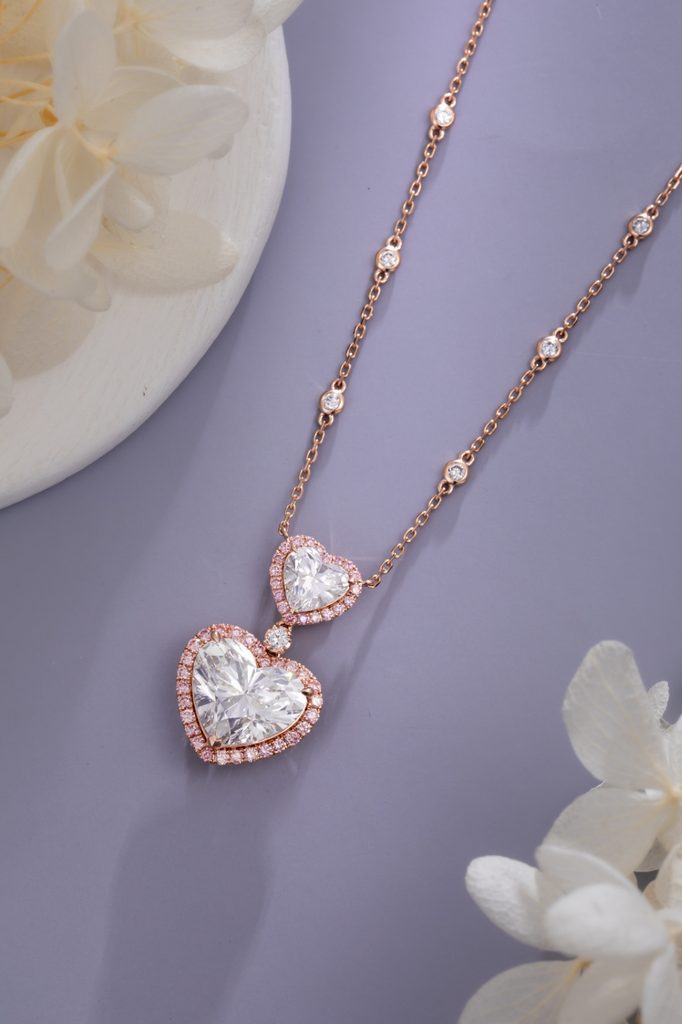
Custom‑order workflows also support thoughtful material selection aligned with sustainability goals. Recycled gold and platinum can be specified alongside lab‑grown diamonds to further lower overall product footprint. Colour‑varied lab‑diamond options including fancy pink, yellow and blue tones deliver vibrant alternatives to rare mined colour stones, without the unpredictable environmental cost of coloured‑gem extraction. This flexibility means sustainability never acts as a creative limitation. Instead, it expands creative possibilities. Customers can realise highly personalised visions while sticking to their value‑based purchasing priorities. Retail partners also benefit, as custom‑oriented product lines attract demographic groups that actively filter shopping options around ethical and environmental criteria.

Market Versatility And Commercial Potential Across Diverse Product Lines

Bridal categories remain the largest market for lab‑diamond jewellery, yet demand spreads across cocktail wear, stackable daily‑wear pieces, memorial jewellery and gifting collections. wholesale lab grown diamond rings represent one of the highest‑volume custom‑oriented product segments. Retail partners can select from standard‑reference silhouettes or submit fully original custom briefs, adjusting stone specifications, metal karat values, band thickness and accent‑stone layouts for target‑market preferences. Small‑batch custom orders are supported alongside large‑volume production runs, giving retailers flexibility to test niche‑market concepts without over‑investing in static pre‑produced inventory.

This market flexibility pairs naturally with sustainability messaging. Retailers can differentiate their store collections by highlighting low‑impact manufacturing and traceable gem origins to set offerings apart from competitors relying exclusively on mined‑diamond stock. Custom‑order models also reduce over‑production risks. Items are largely manufactured after orders are placed, cutting down on unsold finished‑goods stock that often ends up discarded or heavily discounted. This inventory‑light approach aligns with circular‑economy principles, lowering overall industry waste at the retail level as well as the manufacturing level. Brands can build product narratives that connect factory‑side environmental measures all the way to the end‑customer experience.

Translating Factory‑Level Green Processes Into Compelling Consumer Narratives

Many sustainable manufacturing improvements take place deep inside production facilities and remain invisible to people purchasing finished jewelry. Successfully communicating these merits requires translating technical factory realities into relatable customer‑focused stories. green lab diamond jewelry builds its market appeal by explaining tangible real‑world benefits rather than relying on vague marketing buzzwords. Instead of generic statements about sustainability, messaging can focus on concrete outcomes: avoided land degradation, reduced water consumption, closed‑loop metal recycling, and fully traceable gemstone origins.

Visual storytelling reinforces these points effectively. Short‑form content can showcase 3‑D design work, crystal‑growing equipment, metal‑recycling procedures, and quality‑grading workflows, helping audiences visualise how their custom piece comes to life. Product page descriptions can outline what sustainability means for that specific item, rather than using broad copy applied across an entire catalogue. It is equally important to share accurate gemological education: lab‑grown diamonds possess identical physical, optical and chemical properties as mined diamonds, delivering identical sparkle and durability, with differences existing only in origin story. Clear, honest education reduces consumer confusion and builds trust.

Value Proposition For Buyers Seeking Ethical Alternatives Within Luxury Spaces

Shoppers exploring fine jewellery frequently face conflicting information around ethical gem sourcing. Many want to own meaningful diamond jewellery but feel uneasy about the social and environmental baggage attached to mined‑diamond supply chains. ethical custom diamonds resolve this tension by combining personalised design freedom with verifiable responsible origins. Customers invest in pieces built for their own life moments, anniversaries, milestones and self‑celebration, without accepting the unknown risks embedded within traditional commodity‑diamond markets.

Cost‑structure advantages further amplify this value proposition. Lab‑diamond technology allows larger, higher‑quality stones within fixed‑budget boundaries. Buyers can allocate portions of their budget toward custom‑design details, special engravings, or premium metal finishes instead of paying premiums tied to mined‑diamond rarity narratives. Value here extends beyond pure monetary metrics. There is emotional value in knowing that a cherished piece of jewellery supports responsible industrial practices. Many customers actively share these origin‑linked stories with friends and family, turning individual purchases into organic word‑of‑mouth promotion for ethically‑minded jewellery lines.

Balancing Craftsmanship Standards And Eco‑Friendly Manufacturing Outcomes

A common misconception assumes sustainable production requires trade‑offs against build quality, finish or long‑term durability. That assumption does not hold for professionally manufactured lab‑diamond custom jewellery. eco lab diamond jewellery maintains rigorous craft benchmarks alongside environmental objectives. Polishing, stone‑setting, metal finishing and quality inspection follow identical high‑quality standards applied to traditional fine‑jewellery production. Every custom creation goes through multi‑stage quality checks covering stone security, surface polish, dimensional accuracy, and metal integrity.
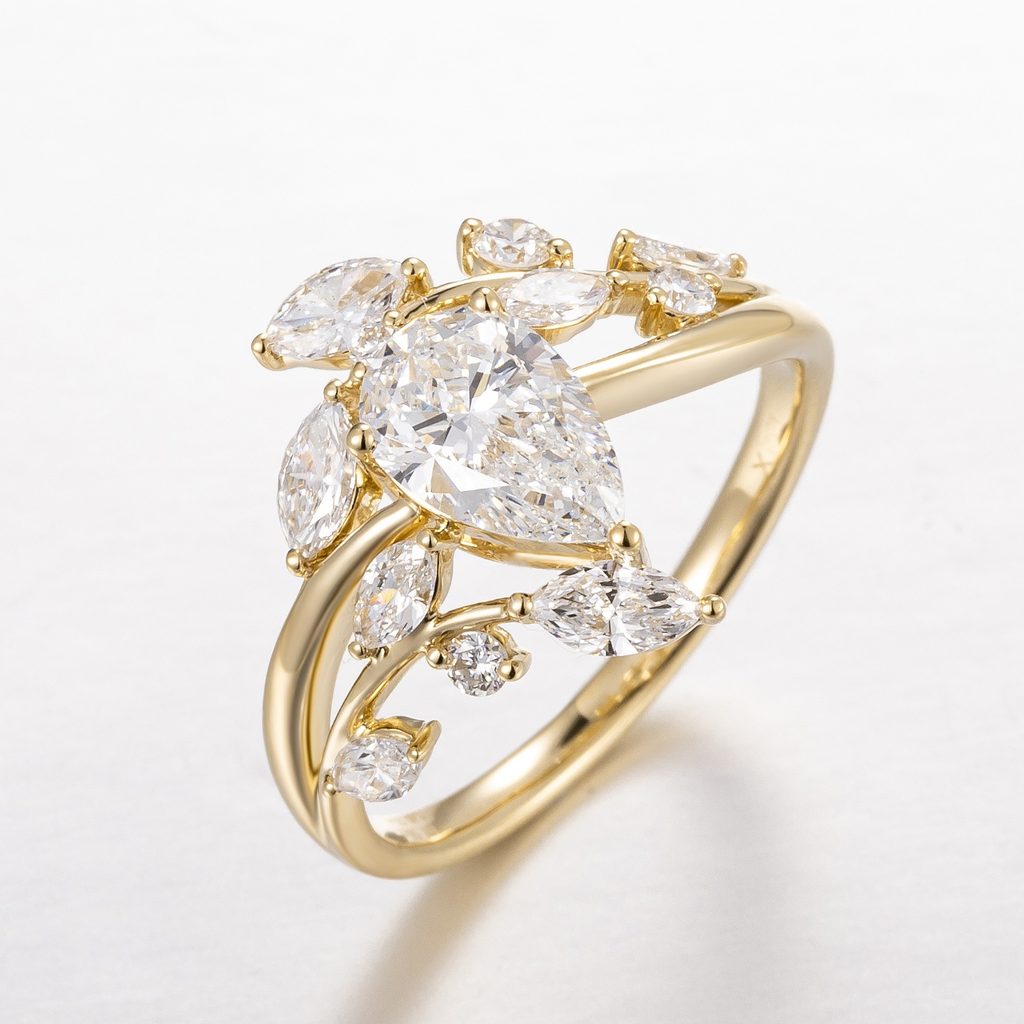
Durability directly supports sustainability. Well‑constructed jewellery remains wearable for decades, passed between generations, which reduces demand for frequent replacement purchases. Manufacturing teams prioritise robust stone‑setting techniques and stable alloy compositions to extend usable product lifespans. Even when customers later choose to redesign existing pieces, precious‑metal components and lab‑diamond gemstones can be recovered and reused for new custom projects. This circular capability creates long‑term value, letting jewellery evolve alongside its owner’s changing taste rather than ending up discarded. Combining lasting physical quality with responsible sourcing creates complete sustainability that covers both production phase and the full product lifecycle.

Consumers today look far beyond surface sparkle when selecting fine jewellery. They evaluate origin stories, manufacturing ethics, and environmental impact as essential parts of luxury value. Custom lab‑diamond jewellery delivers on all these fronts. Production‑site resource optimisation, closed‑material recycling systems, fully traceable gem sources, and broad custom‑design possibilities come together to build a compelling alternative to mining‑dependent traditions. Every custom‑made piece gives buyers the chance to own something deeply personal, while voting with their purchasing power for gentler treatment of planetary resources and fairer supply‑chain standards. As consumer awareness keeps expanding, manufacturers and retailers who integrate these sustainability advantages into clear, authentic storytelling will continue to capture growing segments of the modern fine‑jewellery market.
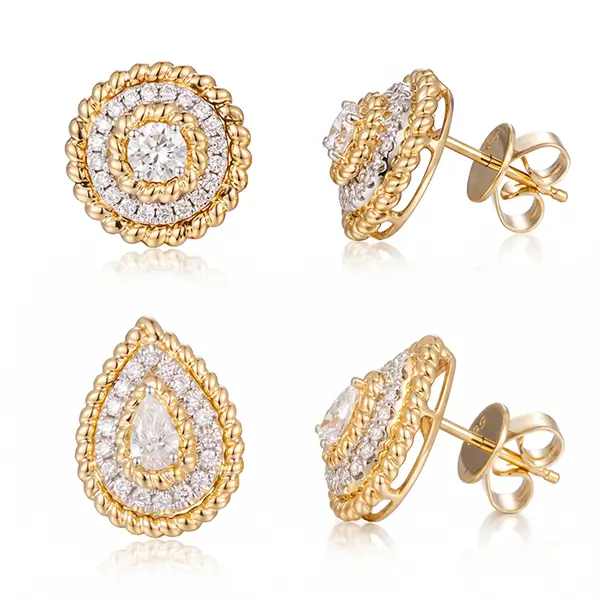
Sustainability Advantages Behind Custom Lab Diamond Jewelry Creation

The global fine‑jewelry landscape is shifting rapidly as modern buyers weigh environmental footprint and ethical sourcing alongside visual appeal and craftsmanship. More shoppers reject outdated mining‑linked narratives and actively seek pieces that align with personal values without compromising luxury aesthetics. Custom lab‑diamond jewelry sits perfectly at this intersection, bringing together bespoke design freedom, gemological authenticity, and tangible sustainability benefits built deep within production workflows. Every step from raw crystal formation to final hand‑setting creates opportunities to lower ecological harm, deliver transparent origins, and build pieces that carry meaningful stories for end‑wearers. Understanding these advantages helps translate factory‑level operational choices into compelling consumer‑focused value that resonates across bridal, everyday wear, and special‑occasion markets.

Responsible Production Workflows Within Modern Gem Manufacturing Spaces

Every physical piece of jewelry carries an environmental footprint shaped by where and how it is made. A well‑equipped lab diamond factory structures its entire workflow to cut waste, optimize resource consumption, and avoid ecological damage associated with conventional mineral extraction. Traditional diamond mining disturbs vast land areas, depletes local water sources, and generates massive volumes of displaced earth for each finished carat of polished stone. In‑house lab‑diamond synthesis avoids large‑scale land disruption entirely. Advanced closed‑loop cooling systems recycle most process water, while facility upgrades prioritise renewable energy inputs to drive crystal‑growing chambers, polishing equipment, and metal fabrication stations.

Material waste reduction forms another core pillar of these responsible workflows. When creating custom‑order pieces, digital 3‑modelling software refines designs before any metal is cut or cast. This pre‑production precision minimises scrapped precious metal, reduces repeated rework cycles, and keeps raw‑material loss to practical minimum levels. Scrap gold, platinum, and silver generated during cutting, filing and setting processes are fully collected, refined, and fed back into future production batches. Such closed‑material loops mean less demand for newly mined precious metal inputs. These factory‑floor improvements are not visible when customers view finished jewelry, yet they form the foundational backbone of eco‑conscious luxury, and they can be communicated clearly to buyers who care about behind‑the‑scenes manufacturing practices.

Sourcing Integrity That Removes Traditional Supply Chain Risks

Many consumers today want full confidence that their jewelry purchases do not support human‑rights violations or conflict‑tied commodity trade. Even with existing industry certification frameworks for mined diamonds, gaps remain in verifying every stone along complex multi‑party supply routes, creating persistent uncertainty for retailers and end‑customers alike. conflict‑free lab diamonds remove this layer of risk entirely. Each lab‑grown gem originates inside controlled production chambers, with clear, traceable records covering crystal growth, polishing, grading and final delivery. There is no connection to artisanal or industrial mining zones linked to armed conflict, unsafe labour conditions, or community displacement.

Gemological grading documents from internationally recognised laboratories accompany each stone, confirming colour, clarity, cut and carat specifications alongside clear identification of lab‑grown origin. This level of documentation allows full traceability down to individual gemstones, a benchmark extremely difficult to maintain for large volumes of mined rough diamonds. When integrated into custom‑order workflows, this sourcing integrity extends to every personalised ring, pendant or pair of earrings. Buyers do not merely receive a beautiful custom piece; they receive assurance that their purchase does not indirectly fund harm anywhere in the supply chain. This ethical guarantee becomes a powerful talking point for product descriptions, social‑media storytelling and in‑store customer conversations.

Custom Design Capabilities Merged With Eco‑Conscious Consumer Expectations

Modern luxury buyers refuse to choose between personal style and environmental responsibility. They seek items that reflect individual identity while honouring personal ethical standards, and this demand drives growing interest in custom sustainable jewelry. Full customisation covers every creative choice: gemstone shape and size, metal selection, engraving details, band profiles, stone layouts, and mixed‑gem combinations. Design teams translate customer sketches, reference images, and conceptual ideas into manufacturable 3‑dimensional files, whether clients desire minimalist everyday pieces, bold statement jewellery, or sentimental bridal creations.

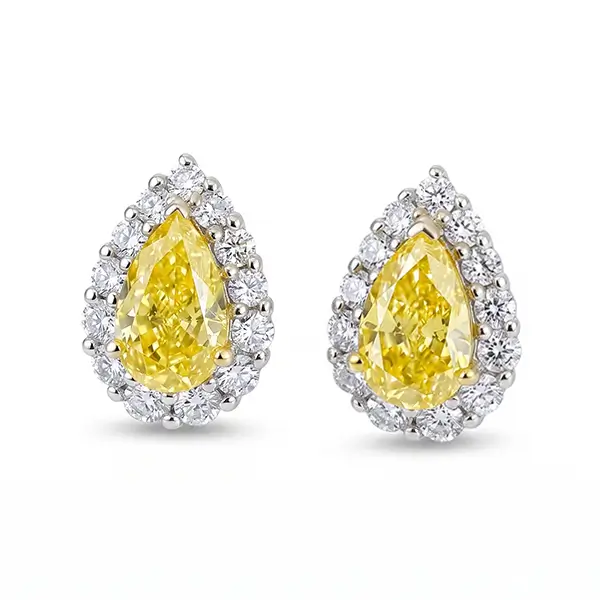
Custom‑order workflows also support thoughtful material selection aligned with sustainability goals. Recycled gold and platinum can be specified alongside lab‑grown diamonds to further lower overall product footprint. Colour‑varied lab‑diamond options including fancy pink, yellow and blue tones deliver vibrant alternatives to rare mined colour stones, without the unpredictable environmental cost of coloured‑gem extraction. This flexibility means sustainability never acts as a creative limitation. Instead, it expands creative possibilities. Customers can realise highly personalised visions while sticking to their value‑based purchasing priorities. Retail partners also benefit, as custom‑oriented product lines attract demographic groups that actively filter shopping options around ethical and environmental criteria.

Market Versatility And Commercial Potential Across Diverse Product Lines

Bridal categories remain the largest market for lab‑diamond jewellery, yet demand spreads across cocktail wear, stackable daily‑wear pieces, memorial jewellery and gifting collections. wholesale lab grown diamond rings represent one of the highest‑volume custom‑oriented product segments. Retail partners can select from standard‑reference silhouettes or submit fully original custom briefs, adjusting stone specifications, metal karat values, band thickness and accent‑stone layouts for target‑market preferences. Small‑batch custom orders are supported alongside large‑volume production runs, giving retailers flexibility to test niche‑market concepts without over‑investing in static pre‑produced inventory.

This market flexibility pairs naturally with sustainability messaging. Retailers can differentiate their store collections by highlighting low‑impact manufacturing and traceable gem origins to set offerings apart from competitors relying exclusively on mined‑diamond stock. Custom‑order models also reduce over‑production risks. Items are largely manufactured after orders are placed, cutting down on unsold finished‑goods stock that often ends up discarded or heavily discounted. This inventory‑light approach aligns with circular‑economy principles, lowering overall industry waste at the retail level as well as the manufacturing level. Brands can build product narratives that connect factory‑side environmental measures all the way to the end‑customer experience.

Translating Factory‑Level Green Processes Into Compelling Consumer Narratives

Many sustainable manufacturing improvements take place deep inside production facilities and remain invisible to people purchasing finished jewelry. Successfully communicating these merits requires translating technical factory realities into relatable customer‑focused stories. green lab diamond jewelry builds its market appeal by explaining tangible real‑world benefits rather than relying on vague marketing buzzwords. Instead of generic statements about sustainability, messaging can focus on concrete outcomes: avoided land degradation, reduced water consumption, closed‑loop metal recycling, and fully traceable gemstone origins.

Visual storytelling reinforces these points effectively. Short‑form content can showcase 3‑D design work, crystal‑growing equipment, metal‑recycling procedures, and quality‑grading workflows, helping audiences visualise how their custom piece comes to life. Product page descriptions can outline what sustainability means for that specific item, rather than using broad copy applied across an entire catalogue. It is equally important to share accurate gemological education: lab‑grown diamonds possess identical physical, optical and chemical properties as mined diamonds, delivering identical sparkle and durability, with differences existing only in origin story. Clear, honest education reduces consumer confusion and builds trust.

Value Proposition For Buyers Seeking Ethical Alternatives Within Luxury Spaces

Shoppers exploring fine jewellery frequently face conflicting information around ethical gem sourcing. Many want to own meaningful diamond jewellery but feel uneasy about the social and environmental baggage attached to mined‑diamond supply chains. ethical custom diamonds resolve this tension by combining personalised design freedom with verifiable responsible origins. Customers invest in pieces built for their own life moments, anniversaries, milestones and self‑celebration, without accepting the unknown risks embedded within traditional commodity‑diamond markets.

Cost‑structure advantages further amplify this value proposition. Lab‑diamond technology allows larger, higher‑quality stones within fixed‑budget boundaries. Buyers can allocate portions of their budget toward custom‑design details, special engravings, or premium metal finishes instead of paying premiums tied to mined‑diamond rarity narratives. Value here extends beyond pure monetary metrics. There is emotional value in knowing that a cherished piece of jewellery supports responsible industrial practices. Many customers actively share these origin‑linked stories with friends and family, turning individual purchases into organic word‑of‑mouth promotion for ethically‑minded jewellery lines.

Balancing Craftsmanship Standards And Eco‑Friendly Manufacturing Outcomes

A common misconception assumes sustainable production requires trade‑offs against build quality, finish or long‑term durability. That assumption does not hold for professionally manufactured lab‑diamond custom jewellery. eco lab diamond jewellery maintains rigorous craft benchmarks alongside environmental objectives. Polishing, stone‑setting, metal finishing and quality inspection follow identical high‑quality standards applied to traditional fine‑jewellery production. Every custom creation goes through multi‑stage quality checks covering stone security, surface polish, dimensional accuracy, and metal integrity.

Durability directly supports sustainability. Well‑constructed jewellery remains wearable for decades, passed between generations, which reduces demand for frequent replacement purchases. Manufacturing teams prioritise robust stone‑setting techniques and stable alloy compositions to extend usable product lifespans. Even when customers later choose to redesign existing pieces, precious‑metal components and lab‑diamond gemstones can be recovered and reused for new custom projects. This circular capability creates long‑term value, letting jewellery evolve alongside its owner’s changing taste rather than ending up discarded. Combining lasting physical quality with responsible sourcing creates complete sustainability that covers both production phase and the full product lifecycle.

Consumers today look far beyond surface sparkle when selecting fine jewellery. They evaluate origin stories, manufacturing ethics, and environmental impact as essential parts of luxury value. Custom lab‑diamond jewellery delivers on all these fronts. Production‑site resource optimisation, closed‑material recycling systems, fully traceable gem sources, and broad custom‑design possibilities come together to build a compelling alternative to mining‑dependent traditions. Every custom‑made piece gives buyers the chance to own something deeply personal, while voting with their purchasing power for gentler treatment of planetary resources and fairer supply‑chain standards. As consumer awareness keeps expanding, manufacturers and retailers who integrate these sustainability advantages into clear, authentic storytelling will continue to capture growing segments of the modern fine‑jewellery market.
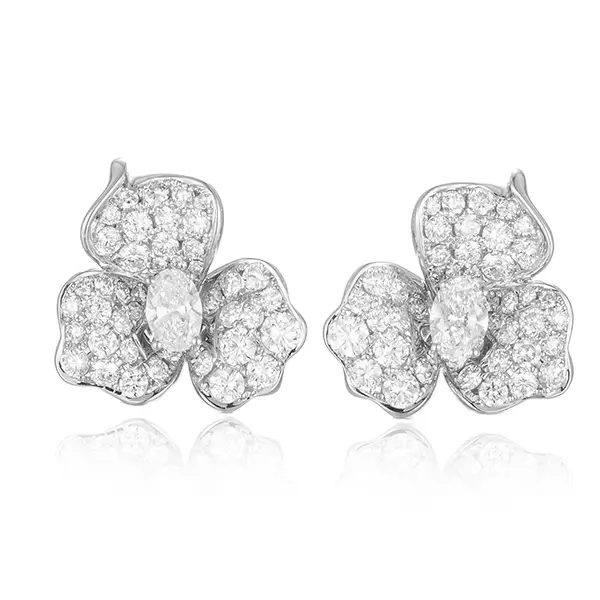
Building Fashion Hip‑Hop Lines

The rising demand for eye‑catching diamond‑infused fashion and hip‑hop pieces reshapes how jewelry collections get developed across global markets. Brands aiming to capture modern consumer attention need reliable production partners capable of translating bold creative concepts into market‑ready physical goods. Many creative teams struggle when sourcing pieces that balance dramatic visual appeal, wearable durability, and controlled project expenditure. Working alongside experienced production facilities removes many common roadblocks that slow down new collection launches, covering everything from initial concept sketch work to final quality checks before shipment.

Material Sourcing Strategy For Diverse Jewelry Collections

Modern jewelry projects cover vastly different end‑use scenarios, spanning timeless romantic pieces all the way to statement street‑oriented ornaments. A flexible sourcing network makes it possible to match stone specifications to each product line’s exact target market. Brands focused on fine bridal pieces frequently explore custom lab grown diamond engagement ring options that deliver authentic diamond brilliance without the premium pricing attached to mined gemstones. Meanwhile, street‑style collections lean heavily on sizable, highly visible stones to achieve that signature bold visual impact audiences expect.

Securing consistent stone supply forms one core foundation of smooth manufacturing workflows. Access to wholesale diamonds lab grown gives project planners greater freedom to adjust stone grades, carat sizes, and certification standards to fit different price tiers within one single collection. Buyers can select IGI‑certified HPHT or CVD rough and finished stones, choosing from small melee sizes all the way up to substantial faceted gems. This sourcing flexibility allows teams to allocate budget efficiently, assigning higher‑grade stones for flagship hero products while selecting cost‑effective yet visually comparable alternatives for entry‑level SKUs. Close coordination between stone procurement teams and in‑house craftsmen prevents mismatches between stone dimensions and pre‑prepared metal settings, cutting down on material waste and unexpected production delays.

Technical Capabilities Behind Oversized Statement Pieces

Large‑format hip‑hop jewelry poses unique technical hurdles that ordinary fine‑jewelry workshops cannot easily resolve. Producing pieces built around large lab diamond demands careful attention to metal frame thickness, prong strength, and setting geometry, because heavier gemstones apply constant physical stress to mounting structures during daily wear. Thin metal construction will quickly lead to bent prongs, loose stones, and costly product returns once items reach retail shelves. Production teams adjust metal alloy density, wall thickness, and prong count specifically for oversized gems, prioritizing long‑term hold security without hiding the stone’s surface sparkle underneath excess metal mass.

Every physical parameter gets validated through prototype testing before mass production begins. Sample units undergo simulated wear cycles, including repeated ultrasonic cleaning, impact simulation, and torsion testing, to replicate real‑world conditions consumers subject jewelry to. Thick gold formulations widely used within street‑style lines require precise casting controls to avoid internal porosity that weakens finished pendants, chains, and rings. CAD modeling software maps every structural detail, letting brand teams review proportions digitally, request revisions, and approve visual output before any metal gets poured. This iterative digital review phase reduces expensive physical prototype rounds and keeps overall project timelines predictable.

Production Workflow Within Specialized Jewelry Facilities

A capable hip hop jewelry factory combines digital design infrastructure with hands‑on artisan skill to turn abstract creative references into finished commercial inventory. Full workflow coverage starts with reference interpretation, whether clients supply hand‑drawn sketches, mood‑board imagery, or physical sample pieces for replication. Internal CAD technicians translate creative direction into precise 3D files optimized for 3D printing casting patterns. Once 3D outputs receive formal approval, wax patterns move onto casting, polishing, stone‑setting, surface finishing, and multi‑stage quality assessment.

For complex collections mixing bridal‑style items and street‑oriented statement goods, internal production scheduling separates delicate fine‑jewelry tasks from heavy‑gauge metal fabrication runs. Micro‑pave setting stations handle densely encrusted surfaces typical for hip‑hop pendants and link chains, while separate workstations manage solitaire mounting work for classic‑style ring designs. Laser‑welding equipment reinforces high‑stress joints on thick chains and oversized pendants, minimizing fracture risks that appear with traditional hand‑soldering techniques on heavy metal assemblies. Every finished unit passes gemstone alignment inspection, metal surface examination, and weight verification, confirming each item matches the pre‑approved technical specification sheet. Batch‑level consistency receives strict oversight, so units within one order maintain uniform visual quality regardless of total order volume.

Balancing Bold Aesthetics With Commercial Viability For Street‑wear Collections

Creating compelling lab diamond hip hop jewelry requires more than assembling large stones onto thick metal bases; successful lines must balance dramatic visual presence against retail price points and practical wear‑and‑tear performance. Many emerging brands over‑engineer early samples, adding excessive gold mass that pushes final selling price beyond what target shoppers will comfortably pay. Experienced manufacturing partners offer practical adjustments to preserve the intended aggressive visual look while optimizing material consumption. Modifications can include controlled hollow internal structures with reinforced outer walls, selective stone placement, and graded stone sizes across different SKUs inside one collection.

Lead‑time planning represents another critical commercial consideration. Custom‑formulated metal alloys, special‑order large‑carat lab‑grown stones, and highly‑intricate hand‑setting work all extend manufacturing timelines. Transparent timeline forecasting helps brand teams align production runs with seasonal retail windows, product launch events, or influencer marketing cycles. Factoring sampling cycles, material lead‑times, mass production, and final inspection into project planning prevents rushed output that sacrifices finished‑goods quality. Flexible minimum‑order structures also support brand growth paths, permitting smaller initial test batches before committing to full‑scale large‑volume rollouts for proven best‑selling designs.

Cost Management For Mixed‑Style Custom Jewelry Projects

Total project expense breaks down into several major components: gemstone procurement, raw metal weight, manual setting labor, prototype iteration work, surface treatment processes, and quality assurance overhead. Gemstone expense fluctuates with carat weight, color grade, clarity standards, and certification requirements. Metal cost directly correlates with gram weight, which becomes very prominent in heavy‑profile hip‑hop‑style rings, pendants, and link chains. Hand‑setting labor accounts for a substantial share of total cost for heavily encrusted items, as each individual gem needs careful placement and secure fastening by skilled craftsmen.

Brands can exercise meaningful cost control without sacrificing core design identity through several proven adjustments. Shifting certain hero‑piece specifications toward mid‑high clarity grades maintains outstanding visual sparkle while lowering stone acquisition costs. Optimizing metal wall thickness removes unnecessary excess mass without compromising structural durability. Consolidating multiple SKUs into shared production batches reduces repeated setup charges for casting and finishing equipment. Early‑stage dialogue with production teams about target retail price points allows technical teams to propose feasible design tweaks during CAD review rather than discovering cost overruns after physical samples are already produced. Detailed item‑by‑item cost breakdowns support brand teams as they set retail pricing and calculate expected margins for every SKU inside new fashion‑forward jewelry assortments.

Collaboration between creative brand teams and experienced manufacturing resources unlocks the full market potential of lab‑diamond‑driven fashion and hip‑hop jewelry lines. Thoughtful material selection, rigorous structural engineering, controlled cost planning, and thorough quality validation combine to deliver collections that resonate with today’s diverse consumer audiences. By leveraging end‑to‑end production capability, brands avoid common pitfalls that derail custom jewelry launches and bring distinctive, market‑competitive products to global retail channels.

Small‑Batch Custom Lab Diamond Jewelry Solutions for Startup Brands

Launching a new jewelry line brings unique obstacles when working with lab‑grown diamond pieces. Many emerging brands face rigid production thresholds, inflated setup charges, and limited access to premium stone resources. Large‑scale production lines are structured for high‑volume runs, leaving creative new labels stuck between sacrificing design originality or accepting prohibitive upfront costs. Small‑batch manufacturing bridges this gap, giving startup brands room to test market feedback, refine collections, and build brand identity without overcommitting capital to unproven inventory. Working directly with production teams helps brands understand realistic boundaries around design, material selection, and lead‑time planning before finalizing any collection roadmap.

Realistic Design Boundaries for Small‑Batch Lab Diamond Projects

Not every conceptual design translates smoothly into small‑order manufacturing. Highly intricate multi‑layer structures, hand‑engraved micro‑details, and complex mixed‑stone layouts can drive up labor hours and sample iteration cycles significantly, even when the final piece looks visually streamlined. When building collections for limited production runs, brands should prioritize designs that balance artistic vision with manufacturability. Setting styles such as prong, bezel, and simple channel settings perform reliably in small batches, while heavy pavé‑covered surfaces demand meticulous hand‑setting work that expands timelines and raises per‑unit pricing.

Custom jewelry low moq workflows reward smart design compromises rather than total creative surrender. Brands can preserve signature aesthetics by simplifying secondary decorative elements while keeping core visual features intact. For instance, replace dense micro‑pavé sections with larger accent stones, or reduce multi‑metal overlapping components to fewer structural parts. These adjustments do not erase creative personality, but they cut down manual assembly work and keep sampling cycles predictable. It is also practical to reuse compatible base settings across multiple SKUs, swapping stone sizes or surface finishes to create varied looks without generating brand‑new tooling for every single style. This approach lets startup brands roll out diverse‑looking collections while controlling one‑off production fees.

Sampling remains a non‑negotiable step for small‑batch projects. Physical prototypes expose fit problems, stone‑setting weak points, and plating inconsistencies that digital CAD renders cannot reveal. New brands often underestimate how many revision rounds custom lab diamond pieces require. Locking in design parameters, metal specifications, stone grading, and surface finish before sampling minimizes costly redo work once production starts.

Strategic Stone Sourcing to Stabilize Small‑Run Budgets

Stone cost represents one of the largest line‑item expenses for lab‑diamond jewelry lines, and poor sourcing choices can quickly derail small‑batch budgets. Securing consistent, certified stones directly shapes final product quality, retail pricing power, and customer trust. When evaluating stone options, brands need clarity around grading reports, batch‑to‑batch color uniformity, and available calibrated sizes before drafting final designs.

Wholesale diamonds lab grown supply channels give emerging brands access to loose stones without the huge minimum buys required by traditional diamond dealers. Working with integrated production resources removes extra middleman markup and enables tighter alignment between stone inventory and your exact small‑batch order volume. Start‑up teams should avoid locking designs around extremely rare stone dimensions or specialty fancy color grades at early launch stages. Those stones carry long lead‑times and unpredictable price swings. Instead, build initial collections around widely‑available calibrated round and fancy shapes. This strategy preserves sparkle performance, keeps turnaround times reasonable, and creates flexibility if you later want to scale‑up orders.

For rings and statement pieces aimed at wedding‑adjacent audiences, custom lab grown diamond engagement ring builds demand for personalized center‑stone parameters. Even within small‑batch constraints, brands can offer customizable carat ranges, cut options, and metal choices. The key lies in limiting excessive one‑off stone specifications per SKU. Mix pre‑certified stock stones with selective custom‑sourced center stones to maintain balanced timelines and avoid blowing project budgets. Every stone batch should come with verifiable grading documentation, so your brand can confidently communicate ethical and quality claims to end‑consumers.

Balancing Original Brand Identity Against Small‑Batch Cost Pressures

One persistent misconception among new jewelry creators is that small‑run production forces brands to settle for generic, unremarkable products. It is absolutely possible to deliver distinctive merchandise, but it requires intentional trade‑offs across tooling, material grade, and decorative detail. Fixed manufacturing overhead including CAD development, mold preparation, stone fixture setup, and multi‑step quality checks stays nearly constant whether you produce ten units or several hundred units. Consequently, per‑item costs will always sit higher for limited‑quantity runs, and brands must plan their retail margin structure around this reality.

small order jewelry custom projects thrive when brands separate non‑negotiable brand features from nice‑to‑have decorative extras. Protected brand elements might include signature silhouette proportions, personalized engraving zones, and specific metal alloy requirements. Secondary features such as ultra‑fine texture layers, overly complex side‑stone layouts, or multi‑step specialty plating can be reserved for future larger production phases. Many successful startup brands launch core collections with three to five hero SKUs that fully carry their creative vision, instead of trying to push out ten or twelve fully‑custom complex styles in the very first production cycle.

Metal selection also creates major room for balanced decision‑making. Solid 14‑karat gold delivers premium consumer appeal but carries high material costs for small batches. Sterling silver with thick vermeil plating offers an alternative for demi‑fine lines, lowering entry‑level investment while retaining attractive visual presentation. Brands can tier their offering: premium hero styles in solid gold paired with accessible silver‑vermeil variants to capture wider customer segments without abandoning brand aesthetics. Thoughtful tiering helps spread risk while keeping every product aligned with brand storytelling.

Managing Production Workflows for Lab‑Diamond Custom Collections

Every custom lab‑diamond project follows a clear workflow from initial concept to finished goods delivery, and understanding each phase helps startup brands avoid preventable delays and miscommunication. The process begins with reference materials, whether hand‑drawn sketches, mood‑board imagery, or preliminary CAD drafts. Precise documentation covering metal karat, stone dimensions, setting technique, surface texture, and engraving instructions reduces misinterpretation between brand teams and production artisans. After design review, CAD files move to 3D‑printed wax prototypes for physical sample creation.

lab diamond custom jewelry production demands rigorous quality checks at multiple stages. Stone seating must be tested to prevent loose stones, surface polish must be consistent across every unit, and plating thickness needs inspection to guarantee long‑term wear performance. In small‑batch scenarios, manual inspection becomes especially critical because automated mass‑quality systems are rarely optimized for low‑volume output. Reputable production partners will share sample photos and physical pre‑production samples before full batch release, giving brands a chance to sign‑off on real‑world appearance instead of relying purely on digital visuals.

Lead times shift based on design complexity and stone availability. Simple custom‑adapted designs with accessible calibrated stones may complete within three to four weeks. Highly‑customized pieces with specialty center stones can extend to six to eight weeks. Startup brands should build buffer time into their launch timelines, accounting for potential sample revisions and stone‑sourcing hold‑ups. Clear communication on revision limits also avoids scope creep that inflates project cost and pushes delivery dates backward.

Scaling From Small‑Batch Foundations Toward Expanded Collections

Small‑batch manufacturing works best not only as a launch tactic but also as a market‑validation tool. When you produce limited quantities, you gather real sales feedback to identify which designs resonate most with your audience. Instead of guessing consumer preferences with large inventory commitments, you observe which SKUs drive customer inquiries, repeat interest, and social‑media engagement. These insights inform future scaling decisions.

Once market data confirms strong performance for specific styles, brands can increase order volumes to drive down per‑unit manufacturing costs. Tooling expenses that felt heavy on small‑batch runs distribute across more units, improving profit margins significantly. Many teams also expand customization options at this stage, adding more specialty stone shapes, advanced engraving work, and elaborate setting details that were cost‑prohibitive for initial small‑order cycles.

Even as you grow, retaining flexible small‑order capability remains valuable. Limited‑edition drops, seasonal capsule collections, and collaborative designer projects frequently do not require hundreds of units. Keeping open pathways for mixed‑volume orders lets brands stay agile, respond to fast‑moving consumer trends, and test creative new concepts without risking large capital outlays. Successful jewelry startups build supply‑chain relationships that support both small‑batch validation and larger‑volume scaling over time.

Running a jewelry startup with lab‑diamond pieces does not require accepting a compromise between creative uniqueness and realistic budgets. By learning which design features carry disproportionate manufacturing overhead, optimizing stone‑sourcing strategies, and respecting the practical realities of small‑order workflows, new brands can release cohesive, market‑ready collections. Thoughtful planning around sampling, material selection, and scope boundaries turns small‑batch production from a limitation into a strategic advantage for growing jewelry labels.

Lead Time Expectations for Custom Lab Diamond Jewelry

Custom lab-grown diamond jewelry has become a core competitive product in the modern fashion jewelry industry. Combining personalized design, cost-effective lab diamond materials and exquisite handmade craftsmanship, it is widely favored by boutique brands, cross-border e-commerce sellers and customized retail merchants worldwide. Unlike finished standard jewelry, custom lab diamond pieces involve exclusive design, personalized stone matching and tailored inlay processes, resulting in flexible and variable production lead times. For buyers, brand operators and procurement personnel, accurately grasping lead time rules, distinguishing sample and mass production cycles, identifying key influencing factors, and standardizing delivery node agreements with manufacturers are the keys to stable supply chain operation, order scheduling and customer satisfaction improvement. This article comprehensively sorts out the full-cycle lead time expectations of custom lab diamond jewelry, analyzes core influencing factors, and summarizes standardized delivery agreement methods for industry reference.

1. Core Distinction: Sample Lead Time vs. Mass Production Lead Time

The biggest misunderstanding in custom lab diamond jewelry procurement is confusing sample development cycles with bulk order delivery cycles. The two links have completely different process flows, workloads and time standards. Clarifying their differences is the premise of reasonable delivery expectation management.

1.1 Custom Sample Lead Time (Pre-production Prototype)

Sample making is a single-piece customized production link for confirming design effect, diamond matching, inlay technology and overall workmanship, which serves for final order confirmation and market display. The process focuses on precision verification rather than mass production efficiency, with a relatively short cycle. The standard lead time for custom lab diamond jewelry samples is 7–15 working days, covering the whole process from design confirmation to finished sample delivery.

Specific time breakdown is as follows: 1–3 working days for 3D modeling and design revision confirmation; 2–3 working days for lab diamond stone selection and preparation; 3–5 working days for single-piece mold opening, wax injection, polishing, inlay and post-processing; 1–2 working days for quality inspection and sample photography. For highly complex customized styles (such as multi-layer stacking, full pavé inlay, special-shaped diamond combination), the sample cycle will be extended to 18–20 working days due to repeated process debugging.

1.2 Mass Production Lead Time (Bulk Order Delivery)

Mass production is batch standardized production on the basis of confirmed samples, focusing on uniform product quality and stable production efficiency. On the premise of finalized design, confirmed sample and stable process, the standard mass production lead time for custom lab diamond jewelry is 20–35 working days.

The mass production cycle includes batch material preparation, batch mold opening, mass casting, unified inlay, secondary polishing, electroplating, finished product inspection and packaging. Compared with sample making, mass production needs to coordinate batch raw material scheduling, assembly line arrangement and quality consistency control, so the overall cycle is longer. For orders with large quantities (more than 500 pieces) or customized batch details (such as personalized engraving, exclusive electroplating color), the delivery cycle will be extended to 40–45 working days. It is worth noting that mass production lead time is calculated from the date of sample final confirmation and deposit arrival, not the date of initial design consultation.

2. Three Core Factors That Determine Custom Lab Diamond Jewelry Lead Time

Different from ordinary alloy and stainless steel custom jewelry, lab diamond customized products have stricter requirements for design presentation, stone matching and process precision. The fluctuation of lead time is mainly affected by three key links: 3D modeling design, lab diamond stone preparation, and personalized inlay technology. Each link will directly affect the overall production cycle and delivery efficiency.

2.1 3D Modeling & Design Confirmation Cycle

3D modeling is the first step of all custom lab diamond jewelry production and the fundamental basis for subsequent stone matching, mold opening and inlay. The efficiency of this link directly determines the start time of the whole production process. Conventional simple styles (solitaire rings, basic pendant necklaces) can complete 3D modeling and draft output within 1–2 working days, with simple parameter adjustments that can be confirmed quickly.

However, complex customized designs will significantly prolong the cycle: multi-stone combination styles, hollow carving designs, vintage layered structures, and personalized contour customization require designers to repeatedly optimize the model structure, verify diamond inlay positions and adjust dimensional proportions. In addition, repeated revision requirements from buyers (style adjustment, size modification, detail optimization) will also lead to delayed design confirmation. Unconfirmed 3D drawings will suspend all subsequent production links, making it the most common cause of early delivery delays.

2.2 Lab Diamond Stone Sourcing & Stock Preparation

Lab-grown diamonds are the core core materials of customized jewelry, and stone preparation is the link with the largest uncertainty in the cycle. Unlike natural diamonds with fixed inventory, lab diamonds have diverse customization dimensions, including carat weight, cut, color, clarity, shape (round, princess, emerald, pear, heart shape) and fluorescence parameters.

For conventional standard lab diamonds (round brilliant cut, standard color and clarity), regular manufacturers have spot inventory, and the preparation time only takes 2–3 working days. But for special-shaped customized diamonds, ultra-high color/clarity grades, customized carat precision and special fluorescence-free parameters, manufacturers need to adjust goods from upstream diamond factories or carry out targeted cutting and polishing, with a preparation cycle of 7–15 working days. In addition, for batch customized orders with mixed stone sizes and mixed shapes, the sorting, matching and quality inspection of bulk diamonds will also increase the material preparation cycle. Once the stone supply is delayed, the subsequent inlay and post-production links will all be suspended.

2.3 Personalized Inlay & Craft Difficulty

The inlay process determines the final quality and production efficiency of lab diamond jewelry, and different craft types bring obvious differences in production cycles. Conventional basic inlay processes (prong setting, bezel setting) are mature and standardized, with high assembly line efficiency, which will not cause obvious cycle delay.

In contrast, high-precision and complex customized processes consume more working hours: pavé setting, channel setting, invisible setting and micro-set technology require manual fine operation by senior craftsmen to ensure uniform diamond spacing, firm inlay and no deviation; vintage handmade texture, hollow micro-carving, multi-layer mosaic and other personalized crafts have low mechanization degree, relying on manual polishing and fine adjustment. In addition, customized processes such as personalized laser engraving, exclusive electroplating color (matte gold, rose gold, black gunmetal) and secondary anti-oxidation treatment will also increase the production time by 3–7 working days. The higher the process precision and personalized degree, the longer the inlay and post-processing cycle.

3. How to Form Standard Delivery Node Agreements with Custom Jewelry Manufacturers

Unclear delivery node agreements are the main cause of delivery disputes between buyers and manufacturers. To avoid delayed delivery, cycle disputes and order losses, both parties need to clarify standardized node rules in the cooperation contract, covering design confirmation, sample delivery, mass production start time, phased nodes and delayed liability. The following is a complete set of executable agreement specifications.

3.1 Clarify the Starting Time of Cycle Calculation

Explicitly stipulate in the contract that all lead time calculations are based on the date of double confirmation: buyer’s final confirmation of 3D design drawings + arrival of the agreed deposit. Avoid ambiguous descriptions such as “starting from the consultation date”. At the same time, clarify that any subsequent design revisions, parameter adjustments or process changes proposed by the buyer will reset the production cycle, and the extended time shall be borne by the proposing party, so as to avoid cycle disputes caused by repeated revisions.

3.2 Split Phased Delivery Nodes for Full Process Supervision

Decompose the whole customization process into measurable phased nodes, and clarify the time limit and delivery standard of each link to realize transparent order progress:

1. Design node: The manufacturer completes the first draft of 3D modeling within 1–3 working days after receiving the deposit, and completes revision and final confirmation within the agreed time;

2. Sample node: Complete sample production, quality inspection and deliver sample photos/videos for confirmation within the agreed sample cycle; if the sample is unqualified, clarify the re-production time limit;

3. Mass production node: Start batch production within 2 working days after sample confirmation, complete batch material preparation, inlay and processing in stages;

4. Final delivery node: Complete finished product quality inspection, packaging and delivery within the agreed mass production cycle, and provide logistics tracking information in real time.

3.3 Confirm Special Circumstances and Delay Liability Clauses

Fully preset uncertain factors in customized production and clarify liability division: First, for objective delays (upstream diamond supply delay, factory regular maintenance, force majeure factors), the manufacturer shall notify the buyer in writing 3 working days in advance, and both parties negotiate to adjust the delivery date; second, for subjective delays (manufacturer’s process arrangement error, production efficiency lag, unqualified product rework), clarify the compensation standard for delayed delivery; third, for buyer-induced delays (late confirmation of drawings, delayed payment, temporary modification of customization requirements), clarify that the cycle is automatically extended without manufacturer liability.

3.4 Reserve Flexible Buffer Time for Bulk Orders

For large-batch custom orders and festival peak orders, it is necessary to agree on a 3–5 working days buffer period in the contract. The buffer time is used to deal with unqualified product rework, temporary material adjustment and process fine-tuning, which can effectively avoid delivery pressure caused by small fluctuations in the production process and ensure on-time final delivery.

4. Conclusion

The lead time of custom lab diamond jewelry is a systematic cycle affected by design, materials and technology. Distinguishing the differentiated cycles of sample development and mass production, mastering the core influencing rules of 3D modeling, diamond stocking and inlay technology, and formulating standardized phased delivery agreements with manufacturers are essential capabilities for customized jewelry procurement and supply chain management. Clear lead time expectations and standardized node cooperation can not only effectively avoid delivery disputes and control order risks, but also greatly improve the efficiency of customized production, help buyers accurately arrange sales plans, and finally achieve stable and long-term cooperative operation with manufacturers.

What Design Mistakes to Avoid When Ordering Custom Lab Diamond Jewelry

When brands and independent buyers place custom orders with fashion jewelry producers, visual renderings and sample sketches often create an illusion of perfect finished goods. Many clients focus heavily on surface aesthetics such as stone layout, metal finish and chain silhouette, while overlooking structural details that directly decide production yield, product durability and real‑world wear performance. Even with high‑quality diamond material, poorly thought‑out design drafts can trigger repeated sample revisions, mass production rejects, extra labor costs and delayed delivery timelines. Design flaws do not always show up in 2D artwork; they expose themselves during stone setting, polishing, stress testing and end‑user daily wear. Working alongside diverse custom projects covering custom lab made diamond chains, custom lab grown diamonds mounting work and personalized ring pieces, we observe repeated missteps passed from client design briefs to production workshops. These avoidable oversights waste raw material investment and damage brand reputation when defective items reach retail customers.

Unrealistic Setting Geometry Compromises Stone Security

Many custom design submissions prioritize delicate visual effects without accounting for physical requirements of stone mounting. Designers frequently draw ultra‑thin stone seats, narrow prong walls and deeply recessed stone cavities purely for visual lightness, without understanding how metal behaves during setting and post‑production polishing. Thin stone seats cannot absorb pressure from stone‑setting tools. When artisans push prongs over diamond girdles, insufficient metal thickness leads to seat deformation, stone tilting or hidden micro‑cracks on lab‑grown diamond facets. Some customer sketches also request overly wide open‑back constructions to boost light reflection, yet leave minimal supporting metal underneath the diamond pavilion. Under regular wear impacts such as knocking against tables or bag edges, loose seating gradually develops, raising risks of stone loss after short‑term customer usage.

Lab diamond setting flaws rarely appear on digital mockups. Rendering software displays ideal static visuals, but cannot simulate physical force applied during hand‑setting, tumble polishing and everyday wear. Buyers ordering custom lab grown diamonds should ask their production partner to review seat depth, prong thickness and under‑cut range before sample manufacturing. Adjustments here do not ruin visual style; they preserve the original creative vision while adding necessary mechanical safety. Clients sometimes resist minor structural tweaks because they fear changing render appearance. Experienced jewelry producers can adjust hidden inner structures while keeping outer profile unchanged, balancing aesthetic pursuit and production practicality. Many rejected bulk‑order units trace back to this exact disconnect between virtual drawing and physical metal processing.

Insufficient Structural Support On Ring Band Construction

Visual appeal drives countless custom ring drafts, with clients pursuing ultra‑slim, tapered profiles for lightweight and elegant silhouettes. Thin band sections look stunning in product photos, yet struggle to withstand constant bending stress from daily finger movement. Rings experience repeated deformation every time wearers take them on and off, knock against hard surfaces or grip objects. Bands with inadequate cross‑section thickness slowly bend out‑of‑round, which distorts the entire mounting structure. Once the ring loses its circular shape, prongs shift out of alignment, stones become unstable, and resizing work becomes extremely difficult or even impossible.

Ring band strength issues create hidden long‑term risks that do not surface at sample inspection. A freshly finished sample ring may pass visual check perfectly, but mass‑produced copies with identical thin‑band dimensions will develop deformation issues after weeks of end‑user wear. Buyers should not only evaluate how narrow the band looks on renders, but also confirm minimum metal thickness at stress‑bearing sections. Tapered band designs require special attention: narrowing toward the setting shoulders creates high‑stress zones. Producers can add hidden inner reinforcement without widening outer band appearance, maintaining slim visual effect while boosting mechanical robustness. Skipping this step generates high rates of after‑sales complaints for retail partners.

Improper Mount Specification Creates Production Bottlenecks

Customers often reference high‑end reference pictures online and directly copy mount outlines into their custom briefs, without checking compatibility with actual custom lab grown diamonds dimensions. Discrepancies include mismatched stone girdle diameter, pavilion depth mismatch and incorrect prong spacing. When the pre‑drawn mount cavity does not match the actual calibrated diamond dimension received from inventory, workshop artisans face two bad options: force‑fit stones which causes girdle chipping, or manually rework every single mount unit, greatly increasing production cycle and labor expense.

Lab diamond mount problems become amplified during large‑volume orders. Reworking hundreds of individual mounts drives up unit cost and pushes back shipment schedules. Some buyers assume the factory can freely adjust mount geometry during production phase, but large‑batch metal molds and wax tooling lock in core structural dimensions early in the workflow. Major modifications after wax mould confirmation bring substantial extra cost. It is critical to finalize exact diamond specifications including diameter, depth and tolerance range before locking mount drawings. Cross‑verification between diamond spec sheet and mount drawing eliminates most preventable production obstacles.

Overlooking Production Constraints For Chain And Link Custom Pieces

Custom lab made diamond chains bring unique design‑related manufacturing challenges apart from ring mounting work. Popular custom requests include micro‑pavé full‑stone chains, ultra‑thin link structures and densely packed small lab‑grown diamond layouts. Many design briefs sketch tiny links covered with multiple miniature stones, leaving almost no metal space for secure prongs or bezel walls. Micro‑stone settings on ultra‑slender chain links face constant tension every time wearers move their necks. Chain links flex repeatedly, transferring stress directly onto stone‑setting points. Over‑delicate link plus dense stone layout creates high failure rates during polishing and usage. Links may distort, prongs lift, and small stones fall out easily.

Buyers sourcing wholesalelab‑growndiamonds.com for chain projects need to evaluate two layers of constraints: individual stone setting feasibility and link mechanical durability. Designers should reserve adequate metal material around each stone position. If the creative concept requires extremely slim visual presentation, producers can propose partial pavé instead of full‑surface stone coverage, or slightly enlarge link width within invisible tolerance ranges. Rushing into sample making without structural review generates samples that look beautiful yet cannot survive mass‑scale polishing and real‑world usage. Many wholesale clients learn this lesson only after receiving defective finished stock.

Hidden Design Errors Lead To Bulk Order Failures

A wide range of subtle drawing mistakes slip through initial review stages and trigger large‑scale waste. These errors cover incomplete tolerance notes, unreasonable stone‑position clearance, incompatible metal thickness and overlooked polishing access. Even if one sample piece can be hand‑fixed by senior craftsmen, identical manual correction cannot scale across dozens or hundreds of bulk‑order items. Every adjustment applied manually adds labor cost and introduces inconsistency across finished goods.

Custom jewelry manufacturing errors originating from design stage are far costlier to fix than manufacturing‑phase mistakes. Once wax patterns are finalized and moulds opened, revising core geometry means remaking tooling from scratch, consuming both time and capital. Many buyers treat design drawing purely as artistic output, rather than technical production blueprint. Every custom jewelry drawing needs to carry practical production‑oriented parameters: minimum metal thickness, stone seat depth, prong dimension, tolerance range and polishing accessibility notes. Without these technical markers, workshops can only guess designer intent, and guesswork consistently produces unexpected defects.

Misjudging Practical Limits Of Customized Aesthetic Requirements

Creativity forms the core value of custom fashion jewelry, yet every creative concept exists within physical boundaries of metal and gemstone processing. Some customers combine multiple high‑risk structural elements in one single piece: ultra‑thin band plus oversized stone, micro‑prong setting paired with large‑carat custom lab grown diamonds, or ultra‑slender custom lab made diamond chains with full‑coverage micro‑pavé. Stacking multiple high‑risk features multiplies failure probability, even when each single feature looks feasible on its own.

custom jewelry design mistakes frequently stem from mixing reference elements taken from different finished products. A slim band seen on one reference piece, and a delicate setting copied from another photo, may not work when merged into one single custom item. Reference‑image copying ignores original pieces’ hidden internal reinforcements that are invisible on product photographs. Buyers should communicate openly about end‑product usage scenarios: whether items target daily‑wear retail consumers, occasional‑event usage, or display‑only purpose. For daily‑wear oriented merchandise, structural safety must hold equal weight with visual creativity. Producers can offer alternative design iterations preserving core aesthetic ideas while eliminating high‑risk structural points. Early‑stage technical consultation prevents painful losses after investing in sample and bulk production.

Ordering custom lab diamond jewelry means balancing creative vision with manufacturing reality. Beautiful renderings cannot replace technical feasibility assessment. Every custom project benefits from early‑phase structural review before tooling development and sample fabrication. Addressing potential risks at drawing stage saves significant cost, shortens lead‑time, stabilizes finished‑goods quality and helps brands deliver reliable merchandise to end customers. Skipping this critical review step often leads to avoidable sample rework, bulk‑order rejection, and disappointed retail consumers. Thoughtful design review turns creative concepts into durable, market‑ready custom lab diamond jewelry.

Launch Lab Diamond Jewelry Brand With Custom Private Label Jewelry Solutions

Running a jewelry brand in today’s competitive market requires more than eye‑catching finished goods. Many emerging jewelry entrepreneurs and established retailers struggle to turn brand visions into sellable inventory without heavy upfront investment in in‑house production facilities. Working with an experienced custom fashion jewelry manufacturer removes most of these barriers, enabling businesses to roll out cohesive lab‑grown diamond collections under their own brand identity. Whether you aim to refresh existing product lines or debut an entirely new brand identity, private label jewelry opens practical pathways to bring unique lab diamond pieces to target buyers.

Working directly with a factory partner simplifies the whole product development workflow for new market entrants. Instead of coordinating multiple separate suppliers for stones, metal fabrication, branding markings and packaging, a qualified manufacturer handles every critical production phase under one roof. Brands can avoid costly tooling setup fees for small‑to‑medium batch orders, test market responses with flexible order volumes, and keep full control over brand storytelling presented on each finished piece. Lab‑grown diamonds continue to gain traction among modern consumers for ethical sourcing, attractive price points and comparable visual performance against mined diamonds, making lab‑centered lines a high‑potential direction for both online stores and physical jewelry boutiques.

Turning brand concepts into tangible lab diamond product ranges

Every successful lab diamond jewelry line starts with clear product positioning. Before moving to sample creation, brand owners should define core target audiences, preferred metal options, target price brackets and key product categories for their storefronts. Many brands prioritize everyday wearable items alongside statement‑focused hero pieces, balancing steady turnover with high‑margin showcase goods.

Custom lab diamond rings remain one of the highest‑demand categories for private‑label lab diamond projects. Retail partners can select stone shapes, carat weights, band widths, metal finishes and setting styles instead of settling for generic mass‑produced ring stock. The manufacturing team adjusts stone proportions, shank thickness and surface polishing to match brand aesthetic requirements. Brands may opt for solitaire builds, halo layouts or stacked multi‑stone constructions, and each sample can go through multiple revision rounds until design standards are fully satisfied.

Beyond ring offerings, custom lab diamond pendants expand collection depth for retailers looking to capture broader customer segments. From minimalist single‑stone pendants to layered multi‑stone layouts, these items serve excellent add‑on sales opportunities alongside ring purchases. Manufacturers can adjust chain lengths, bale structures and stone mounting techniques to fit brand‑specific visual standards. Brands can request subtle silhouette tweaks, metal texture variations and stone placement adjustments to ensure pendants align perfectly with the rest of their lab diamond assortment.

When brands leverage factory‑supported custom development, they avoid the limitations of generic wholesale catalog items. Unique silhouette details, stone layout adjustments and subtle finishing differences help set inventory apart from competitors selling identical ready‑made stock. This differentiation directly supports higher perceived value and better profit margins for retail partners.

Streamlined branding implementation for private‑label merchandise

True private label work goes far beyond simple product customization. Brand owners want every customer touchpoint to reinforce their own brand identity, from markings on jewelry pieces all the way to unboxing experiences. Reliable manufacturing partners integrate brand‑specific branding steps seamlessly within standard production cycles, without creating unreasonable extra lead‑time delays.

Laser engraving sits at the center of brand personalization. Factories can stamp brand logos, brand initials, serial identifiers or collection markers onto inner ring bands, pendant backs and clasp sections. Engraving depth and font style can be fine‑tuned to prevent quick wear after repeated customer use. Apart directly on‑item marking, custom packaging solutions add another layer of brand immersion. Custom printed boxes, fabric pouches, insert cards and outer shipping cartons can all carry brand graphics and color schemes, so end‑users receive fully branded goods with zero reference to the original manufacturer.

Private label jewelry workflows combine product customization, in‑house branding marking and custom packaging services into one unified production pipeline. Brand clients retain full ownership of final designs, and manufacturers respect non‑disclosure agreements to prevent exclusive styles from leaking to competing businesses. This setup suits startup brands, boutique retailers and existing fashion jewelry labels that want to add lab‑diamond‑focused sub‑collections to their selling portfolios. Clients do not need any in‑house jewelry‑making expertise; clear reference images, mood boards and written specification sheets are enough for the factory to move forward with sampling and mass production.

Practical sourcing strategies for scalable lab diamond inventory

Many brand builders underestimate the importance of flexible sourcing models when scaling a lab diamond jewelry business. Buying only pre‑made stock limits market differentiation, while fully bespoke one‑off designs drive up unit costs and extend lead times significantly. A balanced hybrid approach delivers the best outcomes for most growing jewelry brands.

lab diamond wholesale channels operated by the manufacturing partner deliver consistent stone supply for private‑label projects. Working with a manufacturer that holds in‑house lab diamond inventory reduces third‑party supplier risks, quality inconsistencies and shipping delays between separate vendors. Brand partners can specify stone color grades, clarity standards and cut preferences for every order. Factories can source HPHT or CVD lab‑grown diamonds according to brand requirements, and provide stone grading documentation to support retail‑level product descriptions.

Retail partners can choose from three common sourcing approaches. First, modify existing proven base designs from the factory catalog by adjusting stones, metal finishes and branding marks; this method keeps sampling costs low and shortens lead times. Second, build fully original designs from sketches or reference files for signature hero products. Third, create limited‑edition small‑batch runs for seasonal marketing campaigns. Each option supports different business goals, whether the priority is fast market entry, signature product differentiation or limited‑run promotional inventory.

Manufacturers also provide important technical guidance during specification finalization. Experienced production teams point out practical concerns such as setting durability for daily wear, metal‑alloy suitability for sensitive‑skin consumers, and realistic tolerance ranges for mass‑batch production. This hands‑on feedback prevents brands from approving design concepts that look appealing in renderings yet perform poorly in real‑world customer usage.

Quality control and order execution for brand‑ready output

Consistent quality across every production batch defines long‑term brand reputation. When brands outsource manufacturing work, clear quality‑check protocols must be built into every production stage. Reputable custom fashion jewelry manufacturers run multi‑phase inspections before goods ship out to brand clients.

Sample validation forms the first critical checkpoint. Pre‑production samples replicate all design details, stone selections, engraving marks and packaging elements. Brand teams review physical samples, note adjustments, and sign off before mass manufacturing commences. This step catches dimensional errors, finishing mismatches or branding misprints before large material investments take place.

During mass production, inspection teams verify stone security in settings, metal surface quality, engraving accuracy and packaging print consistency. For lab diamond items, each piece gets cross‑checked against agreed‑upon stone grade specifications. Defective units get separated and reworked rather than being packaged for shipment. Once batches pass internal factory inspections, finished goods ship directly to brand warehouses or fulfilment centers.

Lead time transparency forms another key part of reliable manufacturer cooperation. Sampling cycles, production timelines and shipping windows should be communicated clearly at project kick‑off. Brands can plan marketing calendars, website updates and retail launch timelines around confirmed production schedules. Trusted manufacturing partners also maintain clear communication channels for questions during every production phase.

Business growth opportunities for lab diamond private‑label operators

Once brands establish stable manufacturing partnerships, they can steadily expand their lab‑diamond‑focused product portfolio. Retail operators can test market feedback from initial collections, then expand high‑selling silhouettes into new metal variants, stone sizes and matching accessory sets. Successful custom fashion jewelry brand operators frequently combine lab‑diamond core collections with complementary fashion‑oriented pieces to widen customer buying options.

Digital retail channels create massive growth potential for private‑label lab diamond jewelry brands. Brands can showcase exclusive private‑label designs on e‑commerce websites, social commerce platforms and marketplaces. Original, branded inventory helps sellers stand out amid crowded marketplaces flooded with identical generic jewelry imports. With custom packaging and internal brand markings, every product reinforces brand memory for repeat buyers.

Boutique physical retailers also benefit greatly from private‑label lab diamond solutions. Store owners can offer exclusive pieces customers cannot purchase from competing nearby shops, driving store loyalty and increasing in‑store foot traffic. Even small‑scale operators can launch distinctive lab‑diamond jewelry lines without building expensive internal production workshops.

Choosing the right manufacturing partner directly shapes brand success. Beyond production capability, brands should evaluate supplier communication efficiency, design‑support capacity, quality‑control standards and flexibility over order batch sizes. A capable manufacturer acts not merely as a production facility but as a long‑term business partner, supporting brand growth as customer demand evolves over time. By leveraging private‑label manufacturing services, new and existing jewelry businesses can build recognizable, profitable lab‑diamond jewelry brands in today’s dynamic global jewelry marketplace.

How to Avoid Set‑Certificate Risks When Sourcing Custom Lab Diamond Jewelry

The rising global demand for custom‑made diamond ornaments pushes many buyers to look for reliable supply channels, yet documentation fraud remains one of the most damaging hidden pitfalls in cross‑border jewelry trade. Many market participants misunderstand what valid paperwork should look like after diamonds are mounted into metal settings, and improper handling of grading reports may lead to commercial disputes, brand reputation loss, and unexpected compliance penalties. Wholesale buyers who regularly place custom orders need clear insight into how professional jewelry facilities manage diamond‑related documents, recognize common certificate‑mismatch traps, and adopt practical checking routines before bulk shipments leave production workshops. While price, design flexibility and delivery timeline often dominate negotiation talks, certification integrity should never be treated as secondary detail when finalizing custom jewelry contracts.

Risks Brought by Improper Certificate Matching During Jewelry Mounting

Set‑certificate risk originates from gaps between loose‑stone grading records and finished jewelry output. A genuine IGI or GIA loose‑diamond report describes exact 4C features, laser‑inscribed serial number, growth method and internal inclusion mapping for an unmounted stone. Once gemstones are secured inside prongs, bezels or other metal structures, critical identification marks can become partially or fully covered, making quick visual confirmation far harder. Unethical operators take advantage of this limitation by reusing existing grading documents for different diamonds of similar appearance, swapping actual gemstones during polishing or setting stages, or mixing stones from separate batches without updating supporting files.

These risky practices frequently emerge when buyers pursue low‑cost quick turnaround for large‑volume custom runs. Some suppliers reuse a small pool of authentic loose‑stone certificates for dozens of physically similar finished pieces, delivering printed copies without cross‑verifying serial numbers against actual gemstones. For retailers and brand operators, selling goods with mismatched documentation triggers customer returns, negative reviews, and regulatory scrutiny. Even well‑intentioned workshops can create document inconsistency without malicious intent. Human error happens during batch sorting, when multiple stones with close visual attributes get mixed before setting, and original papers are paired with incorrect finished units. Clear internal workflows are required to minimize both intentional fraud and accidental operational mistakes across custom production cycles.

Many buyers new to custom jewelry sourcing assume finished pieces can receive identical grading reports as loose stones, which creates further confusion. Most major gemological laboratories grade unmounted diamonds, because metal mounting blocks full observation of proportions and internal characteristics. Factories cannot modify original IGI or GIA loose‑diamond reports; they are prohibited from altering grading content, serial codes or inclusion diagrams to match assembled jewelry. Understanding this fundamental industry rule helps buyers set realistic expectations for document delivery before confirming deposit payments.

Standard Factory Workflow for Loose Diamond Receipt and Document Tracking

Before any design work begins, professional facilities establish traceability from incoming gemstone inventory. When purchasing lab grown wholesale diamonds, each incoming parcel arrives with original physical grading documents and digital report copies from authorized laboratories. Every loose diamond carries micro laser inscription on its girdle surface, printing the exact certificate identification number visible under 10‑times magnification tools. Our production team performs initial cross‑check immediately upon receiving consignments: staff match each stone’s inscribed number against printed reports, log serial codes into internal order management software, and store stones individually in sealed labelled containers to prevent batch mixing.

Separate storage zones keep stones for different client orders fully isolated. No gemstone moves to wax carving or casting stations until inventory logging finishes. For custom orders, client‑specified stones never share work trays with materials from other projects. When clients provide their own diamonds for manufacturing, identical receiving checks apply. Factory technicians record photographs of girdle inscriptions and report pages for internal archive before production commences. This documentation trail serves as reference if any discrepancy appears after mounting completes.

During custom order planning, sales and technical teams communicate clearly with purchasers about document‑related terms. Buyers get informed that original loose‑stone certificates belong to that specific unmounted diamond. Once setting work finishes, the same physical report is provided alongside finished goods, yet the report itself still describes the stone in its pre‑mounted condition. No factory can rewrite or reissue original IGI or GIA grading documents after metal mounting is complete. This transparent pre‑order communication removes false assumptions and reduces post‑delivery conflicts.

Document Handling While Producing Custom Mounted Jewelry

The highest risk window for set‑certificate mismatch falls between stone selection and final polishing. After casting and pre‑polishing are finished, assigned diamonds are taken from sealed storage only right before setting. Experienced setters recheck girdle serial numbers one more time prior to placing stones into jewelry settings. This second confirmation step eliminates mix‑ups caused by similar‑looking gemstones. After stones are securely mounted, quality‑control operators inspect each finished unit. They attempt to view girdle laser inscriptions through gaps between metal prongs. When metal partially covers inscriptions, high‑magnification photos are captured for internal records, linking finished‑item production codes with original diamond certificate numbers.

Private‑label custom orders bring extra complexity for paperwork delivery. Many brand clients request their own branding printed on supplementary product cards, while retaining original international lab reports for diamond grading. Factories can generate custom printed product inserts carrying client logos, item specifications and batch numbers, yet these private‑brand supplementary documents never replace official laboratory grading reports. Confusion arises if buyers expect private‑label printed slips to function as official diamond certification. Supplementary brand documentation describes finished‑item metal specs, engraving information and brand warranty terms; diamond grading data remains exclusively represented by original loose‑stone lab papers.

For clients placing orders of lab created diamond jewelry wholesale, clear separation between official lab reports and custom brand documentation must be maintained throughout order fulfilment. Our teams avoid merging brand‑printed content with IGI or GIA original documents, and never modify laboratory‑issued pages with stamps, stickers or handwritten notes. Any alteration to official grading papers invalidates report authenticity, hurting product value and creating compliance risks for downstream resale. All supplementary private‑label materials are produced as separate documents packed together with untouched original certificates inside shipment boxes.

Delivery Specifications for Bulk Custom Diamond Jewelry Orders

Clear delivery standards protect both suppliers and purchasers for large‑volume custom runs. When dispatching finished custom jewelry, every single piece that uses a certified loose diamond must be paired with its matching original grading report. Digital copies of reports are also saved and supplied as PDF files for client archives. Physical certificates are packaged separately from finished jewelry to avoid surface scratches or tearing during transit. For high‑volume shipments, packing lists map each jewelry item identification number to its corresponding diamond certificate serial number. This cross‑reference packing list allows receiving‑side teams to perform fast batch reconciliation upon goods arrival.

Certificates of finished lab diamond jewelry bulk need realistic definition for purchasing teams to avoid misinterpretation of available documentation formats. It is critical to clarify that true full‑grading lab certificates cannot be generated for already‑mounted jewelry from major global gemological institutes. Available options include supplying intact original loose‑stone reports matched to each mounted diamond, or ordering separate finished‑item metal‑composition testing documents from local assay laboratories. Assay reports verify metal purity but will not repeat full 4C diamond grading for set gemstones. Some buyers mistakenly expect combined single documents grading both metal and set diamond, and this expectation often creates frustration because leading labs decline full diamond grading on mounted stones.

Order contracts should write down certificate delivery requirements explicitly. Contracts specify whether clients receive original physical reports or digital‑only copies, define how serial‑number traceability will be preserved, and note that original lab reports describe pre‑mounted loose‑stone characteristics. Reputable manufacturers refuse requests to match unrelated certificates to finished jewelry, even when clients offer higher payment for such service. Agreeing to re‑assign reports to unmatched gemstones constitutes participation in documentation fraud, exposing all parties to legal risk.

Practical Verification Methods for Buyers Receiving Custom Jewelry Shipments

Buyers need repeatable verification steps upon receiving consignments, regardless of whether shipments come from long‑term partners or new suppliers. The primary check targets diamond girdle laser inscriptions. Use a 10‑times jeweler’s loupe or portable gem microscope to locate the micro‑engraved serial number on each diamond girdle. Compare every inscribed sequence directly with numbers printed on the corresponding physical certificate. Avoid only checking a small sample from large batches; spot‑check random pieces scattered across the whole order instead of testing only first few units in boxes. When prongs partially block the girdle angle, gently rotate jewelry pieces under light to seek accessible viewing angles.

Next step is online report validation. Enter certificate numbers onto official IGI or GIA public‑verification web platforms. Confirm that online digital reports show identical 4C grades, diamond shape, growth type and inclusion diagrams matching physical printed documents. Fraud actors can produce well‑forged paper copies, yet fake serial numbers cannot pull valid official digital records from laboratory databases. Cross‑reference inclusion sketches: compare internal feature positions shown on report diagrams against what can be observed inside actual diamonds under magnification. Similar‑grade stones can hold identical written parameters, but internal inclusion patterns remain unique for every graded diamond.

Build supplier audit routines for recurring bulk custom purchases. Request access to factory traceability procedures during factory visits or virtual audits. Observe how gemstones are stored, how serial numbers get logged, and how QC teams conduct pre‑shipment document‑stone matching. Ask suppliers to provide sample photos of girdle inscriptions captured before shipment for randomly selected order units. Avoid making sourcing decisions purely based on lowest unit price. Unusually low quotations for certified custom lab diamond jewelry frequently signal corners cut in documentation traceability.

Buyers should also train their receiving teams to reject ambiguous delivery excuses. Common misleading explanations include claims that “certificates are generic for this diamond grade”, or “serial numbers disappear after setting”. Legitimate certified lab‑grown diamonds retain permanent girdle engraving unless stones are recut, which never occurs within standard custom jewelry manufacturing. If multiple jewelry units arrive with identical certificate serial numbers, this serves as a major red flag indicating set‑certificate risk. Return such consignments and review supplier qualification thoroughly before placing further orders.

Long‑Term Strategies to Secure Certificate Integrity in Custom Jewelry Supply

Sustained reliable custom sourcing builds on aligned understanding between purchasing teams and manufacturing partners about lab grown diamond certification rules and limits of gem‑lab documentation capabilities. Both sides must acknowledge that original grading reports describe unmounted gemstones, and no workaround exists to generate official full‑grading lab reports for already‑set diamonds. Establish consistent communication so all custom project stakeholders know exactly what documents will and will not be delivered before production launches.

Include documentation compliance clauses inside long‑term cooperation agreements. These clauses define supplier accountability for stone‑certificate matching, outline acceptable remedies for detected mismatches, and ban any practice of re‑assigning grading reports to non‑corresponding gemstones. Schedule periodic third‑party spot testing for incoming inventory. Independent gem‑testing laboratories can randomly sample finished custom pieces, confirm diamond identity, validate laser‑inscription serial numbers and cross‑check against official lab databases. Third‑party testing adds modest operational cost, yet prevents large‑scale brand damage caused by undetected documentation issues.

Stay updated on industry standards evolving for lab‑grown diamond documentation. Major gemological institutes regularly update report formats, marking CVD or HPHT growth origin clearly on every valid document. Market participants must distinguish authentic lab‑issued reports from self‑printed in‑house documents that mimic laboratory layouts. Investing in basic gem‑testing tools and training for in‑house receiving staff creates front‑line defence against set‑certificate risk.

When managed properly, custom lab‑diamond jewelry brings attractive commercial value for global retailers. Yet certificate‑related mistakes can erase profit margins, harm consumer trust and create compliance trouble. Understanding factory‑side traceability workflows, setting realistic expectations for what documentation can deliver, and performing systematic verification upon receipt help buyers steer clear of set‑certificate pitfalls, protecting brand value across every custom jewelry project.

What to Expect from Lab Diamond Bridal Collections

Modern bridal jewelry markets are undergoing a profound transformation, with sustainable, cost-effective, and high-performance lab diamond designs gradually replacing traditional natural diamond pieces as the mainstream choice for contemporary couples and retail brands. As a professional custom jewelry manufacturer specializing in bridal lines, we have witnessed the rapid growth of lab diamond bridal demands across global markets. Today’s consumers and retail buyers no longer pursue oversized diamond accessories blindly; instead, they prioritize fine craftsmanship, transparent pricing, stable supply chains, and personalized design expression. Understanding the core advantages, production standards, sourcing logic, and customization services of lab diamond bridal collections is essential for brands to launch competitive wedding jewelry lines and meet diverse market demands.

Superior Value and Market Advantages of Modern Lab Diamond Bridal Jewelry

Lab-grown diamonds have completely reshaped the profitability and market positioning of bridal jewelry, breaking the long-standing price monopoly of natural diamonds while retaining identical physical, optical, and chemical properties. Unlike natural diamonds that require long-term mining and complex circulation links, lab diamonds are cultivated through mature HPHT and CVD technological processes, with controllable production cycles and stable quality output. For retail brands, boutique jewelers, and wedding industry suppliers, this means more flexible product pricing, richer design possibilities, and more sufficient inventory support for bridal jewelry series.

Lab diamond bridal jewelry stands out in the competitive wedding market for its unique comprehensive advantages. It delivers the same brilliant sparkle, hardness, and durability as natural diamonds, fully meeting the daily wearing and collection needs of bridal accessories. Meanwhile, it avoids the ethical disputes of traditional diamond mining, catering to the sustainable consumption concept pursued by modern young consumers. From small custom bridal sets to large-scale seasonal collection launches, lab diamond bridal jewelry can adapt to diverse market positioning, covering entry-level affordable styles, high-end customized luxury pieces, and mass-market best-selling designs, bringing broader profit margins and customer groups for jewelry brands.

Reliable Sourcing Solutions for Bulk Lab Diamond Procurement

Stable and high-quality diamond sourcing is the core foundation of a successful bridal jewelry collection. Many retail brands face common pain points in the procurement process: unstable stone quality, inconsistent grading standards, intermediate price markups, and insufficient supply capacity, which seriously affect product launch efficiency and brand reputation. Choosing direct manufacturer sourcing can completely solve these industry pain points and optimize the entire procurement link.

Lab grown diamonds direct from manufacturer provides the most transparent and cost-effective sourcing channel for bridal jewelry production. As a frontline manufacturer with independent diamond cultivation, cutting, polishing, and jewelry processing workshops, we eliminate all intermediate distributors, ensuring that every loose diamond used in bridal collections comes from standardized laboratory production lines. All lab diamonds are strictly graded in accordance with international 4C standards—carat weight, color, clarity, and cut—and equipped with authoritative IGI certification, realizing full quality traceability. Whether brands need round brilliant, princess, oval, or cushion-cut diamonds for engagement rings, wedding bands, or bridal matching sets, direct manufacturer sourcing can provide customized stone selection solutions to match different design styles and market positioning.

For brands with long-term operation plans, bulk wholesale procurement is the key to reducing comprehensive costs and improving market competitiveness. Professional manufacturers support flexible batch orders, covering small-batch trial orders for new collections and large-batch mass production for hot-selling styles, fully adapting to the inventory rhythm of different retail channels.

Buy lab diamonds wholesale enables jewelry brands to obtain high-quality certified lab stones at factory-direct prices, greatly reducing the unit cost of bridal jewelry. Compared with purchasing from third-party stone dealers, wholesale manufacturer sourcing not only has obvious price advantages but also ensures consistent stone quality of the same batch, avoiding color difference, clarity disparity, and cut inconsistencies in finished jewelry. This unified quality standard is crucial for brand image building and after-sales maintenance, helping brands form stable product competitiveness in the bridal jewelry track.

Professional Manufacturing Standards for Wholesale Lab Created Diamond Jewelry

The quality of lab diamond bridal collections depends not only on high-quality loose stones but also on exquisite manufacturing technology and standardized production processes. Bridal jewelry has extremely high requirements for precision, durability, and appearance fineness, as tiny flaws in inlay, polishing, or shaping will directly affect the wearing experience and product grade. Professional manufacturers always take high-standard production specifications as the core to create high-end bridal jewelry works for global brands.

Lab created diamond jewelry wholesale relies on standardized and refined production processes to achieve large-scale high-quality output. The entire production process of bridal collections includes multiple core links: 3D design modeling, wax mold opening, metal casting, stone inlay, fine polishing, electroplating, quality inspection, and finished product packaging. In terms of metal material selection, we provide diverse high-quality options including 925 sterling silver, 14K gold, and 18K gold, which can be matched according to brand positioning and customer group characteristics. High-end gold materials ensure the durability and texture of bridal rings, not easy to fade or deform, meeting the long-term wearing needs of wedding jewelry.

In the stone inlay process, we adopt classic and stable inlay methods such as four-prong, six-prong, bezel, and pave inlay. The microscopic precise inlay technology ensures that the lab diamond is firmly fixed without loosening or falling off, while maximizing the display of diamond fire and sparkle. For customized bridal sets with auxiliary broken diamonds, the factory adopts full manual fine inlay to ensure uniform spacing and flat lines of broken diamonds, presenting a delicate and layered visual effect. All finished products will pass multi-layer quality inspection, including diamond firmness detection, metal surface flaw inspection, size standard detection, and electroplating durability test, to ensure that every wholesale product meets international high-end jewelry standards.

Key Criteria to Identify Top Tier Lab Grown Diamond Manufacturers

With the booming development of the lab diamond industry, the market has a mixed number of processing factories and suppliers, with uneven technical levels, quality standards, and service capabilities. For jewelry brands that intend to launch long-term bridal collections, choosing a reliable cooperative manufacturer is the key to determining product quality and market reputation. Many brands encounter problems such as false certification, shoddy workmanship, delayed delivery, and inconsistent batch quality due to choosing unqualified suppliers, which brings huge losses to brand operation.

Best lab-grown diamond companies are always defined by standardized strength, professional technology, and perfect service systems. A top-tier lab diamond bridal jewelry manufacturer must have independent laboratory diamond cultivation technology, complete production workshops, professional gemstone grading teams, and mature quality control systems. It can provide one-stop services from design development, stone matching, sample proofing, mass production to after-sales support, realizing full-link controllable production.

In addition to hardware strength, excellent manufacturers also have rich experience in bridal collection development. They can accurately grasp the latest trends of global wedding jewelry, including minimalist classic styles, vintage retro designs, personalized customized styles, and luxury full-diamond styles, and provide targeted design optimization suggestions according to brand market positioning. At the same time, formal and powerful manufacturers support independent customization of brand logos, exclusive mold opening, and private design development, helping brands create differentiated bridal collections and avoid homogeneous market competition. In terms of delivery cycles, standardized production processes and complete industrial chains enable manufacturers to efficiently complete sample proofing and batch production, ensuring that brands launch new products on schedule and seize market opportunities.

Customization and Iteration Trends of Modern Lab Diamond Bridal Collections

Current bridal jewelry consumers pay more attention to personalized expression and emotional value, which makes customized design an indispensable core service of lab diamond bridal collections. As a professional manufacturer, we support full-process customized services for bridal rings, wedding bands, and bridal matching sets. Brands can put forward exclusive design requirements according to market preferences, including personalized adjustment of ring shape, inlay style, diamond cutting mode, metal color, and detail carving.

The flexible production mode of lab diamond bridal collections also supports rapid product iteration. Compared with natural diamond jewelry that is restricted by stone supply and cost, lab diamond products can quickly respond to market trend changes. Whether it is the popular thin-ring minimalist style, niche geometric design, or classic versatile solitaire style, manufacturers can complete design landing and mass production in a short time. Meanwhile, the controllable cost advantage allows brands to carry out multi-dimensional product layout, covering entry-level popular models, mid-end customized models, and high-end limited models, enriching brand product lines and meeting the diverse needs of different consumer groups.

In terms of quality assurance, all lab diamonds in customized bridal collections support authoritative certification and full information traceability. Consumers can query the diamond’s 4C parameters, production time, and certification information through professional platforms, which greatly enhances product credibility and brand trust. For brands, this transparent quality system can effectively reduce after-sales disputes and improve customer repurchase rate and word-of-mouth spread.

As the global wedding market continues to upgrade, lab diamond bridal collections will become the absolute mainstream of the wedding jewelry industry with their advantages of environmental protection, high cost performance, stable quality, and rich customization. Working with professional and powerful lab diamond manufacturers can help brands reduce procurement and production costs, improve product quality and competitiveness, and quickly respond to market trend changes. Whether it is small-batch customized new product trial sales or large-scale wholesale batch supply, standardized manufacturer services can create maximum value for brand operation, helping brands occupy a stable market share in the booming bridal jewelry track.

Working with a Manufacturer for Custom Lab Diamond Jewelry Lines

Navigating new jewelry product development demands clear communication, realistic expectation setting, and deep alignment between brand creative vision and factory‑side production capability. Many emerging and established jewelry labels aim to launch distinct collections built around man‑made gemstones, yet lack hands‑on experience turning rough creative ideas into sellable finished stock. Partnering with experienced production partners removes common roadblocks that sink new projects, from unrealistic design parameters to mismatched stone specifications and unplanned production delays. This piece breaks down practical, real‑world cooperation stages, technical considerations, cost drivers, and quality‑control best practices, written from factory operational perspective for brands preparing their first custom gem‑set jewelry rollout.

Translating Brand Vision Into Production Ready Design Files

Every successful jewelry collection starts by bridging abstract brand mood boards with manufacturing‑ready technical outputs. Brands often arrive with reference photos, hand‑drawn concept sketches, and descriptive style notes, without understanding which decorative features translate cleanly to physical metal forming and stone setting. Design teams at the manufacturing side first evaluate wearability, casting feasibility, stone seat geometry, and long‑term durability before moving toward formal CAD work.

During this phase, technical teams will confirm metal alloy choices, surface finish options, stone mounting styles, and tolerances for every component. Thin shanks, extreme open‑work patterns, and overly delicate prong structures frequently require iterative adjustments. Design revisions balance aesthetic intent against real‑world retail wear, preventing high return rates once goods reach end customers. At this stage, the project scope also clarifies whether pieces will center custom lab diamond jewelry as the core collection anchor, or mix lab‑grown gemstones alongside complementary accent stones across earrings, pendants and bracelets.

Design feedback loops require brands to supply hard requirements: target retail price brackets, intended daily‑wear performance, preferred stone proportions, and chain or sizing adjustability needs. Without these benchmarks, CAD outputs risk producing visually attractive items that cannot hit target cost per unit. Once design iterations lock in, finalized CAD renderings provide visual confirmation, and preliminary bill‑of‑material sheets outline estimated material weights, stone costs, labor allocations, and projected unit pricing for future order volumes.

Defining Stone Specifications For Custom Lab‑Grown Gem Applications

Stone selection forms one of the most impactful variables across the whole project. Lab‑grown diamond options cover CVD and HPHT growth methods, spanning full color ranges, clarity grades, and cut profiles. Brands must decide between standard calibrated sizes or bespoke stone dimensions tailored exclusively for their collection. Many labels seek tailored finished pieces, and lab diamond custom jewelry opens flexible creative territory unavailable within pre‑made catalog inventory.

Manufacturers walk partners through trade‑offs between stone grading tiers. For fashion‑oriented lines, some clients prioritize vivid visual sparkle over top‑tier laboratory grading reports, balancing consumer‑facing beauty against landed unit cost. Other projects target higher‑end positioning and demand fully documented stones with consistent cut, color and clarity across the whole run. Critical conversations cover stone hardness compatibility with setting techniques, risk of chipping on exposed corners, and supply‑chain lead‑times for non‑standard dimensions.

For statement‑focused individual items, lab diamond custom ring represents one of the highest‑demand SKU categories for brand‑led custom development. Ring designs introduce unique engineering challenges: shank thickness must support stone weight, setting height influences everyday comfort, and size scaling must preserve stone proportion across the full ring‑size range. Factories highlight common pitfalls here. Enlarging or shrinking a ring CAD file without adjusting prong placement and seat depth creates loose stone settings or structural stress points, which trigger stones loosening after limited consumer wear. Every custom ring project needs separate technical checks for each size within the size run, rather than simple one‑click file scaling.

Prototyping And Sample Validation Before Full Order Commitment

Physical sampling stands as non‑negotiable step before committing to large‑scale output. Digital CAD images cannot replicate metal weight, surface texture, light reflection of faceted stones, and real‑world hand feel. Two primary sample types serve different project goals: quick wax or brass test samples for form check, and final pre‑production samples using actual target metal and lab‑grown diamonds matching intended bulk order specifications.

Brands should inspect samples against multiple evaluation criteria. Visual alignment with approved design, stone security when applying gentle physical pressure, comfort during wear test, polish consistency, engraving or laser marking clarity, and weight matching against projected BOM figures all need thorough review. Any mismatch gets logged with clear revision instructions sent back to factory technical teams. Minor adjustments may include tightening prong spacing, modifying band curvature, tweaking stone seat depth, or switching from high‑gloss polish to matte brushed texture.

Sample cycles can iterate two or more rounds for complex collections. Rushing through sampling almost always creates expensive problems downstream. Approved pre‑production samples act as the official reference benchmark. Every finished unit produced later will compare against this physical master sample during internal factory quality inspection. Brands are advised to retain one signed‑off reference sample within their own office, for cross‑checking incoming shipments upon delivery.

Cost Structure And MOQ Planning For Collection Rollout

Cost building for custom jewelry combines several stacked components: CAD and sample development fees, precious metal material expense, lab‑grown diamond procurement, casting and finishing labor, stone‑setting work, plating or PVD surface treatment, internal quality assurance, and neutral or branded marking. Development charges for sampling and design work often apply per new style. Some manufacturers can partially credit these fees once bulk‑order volume hits agreed thresholds.

Minimum‑order quantity rules differ widely from one facility to another. Smaller test runs allow brands to test market response for fresh designs before scaling investment. When preparing for expanded market release, teams prepare for workflows tied to mass production jewelry manufacturers, where optimized casting batch sizes, grouped stone sourcing, and standardized production workflows drive down per‑unit cost.

It is important to clarify unit pricing across different order volumes up front. Unit cost will shift when order size expands, metal spot price fluctuates, or stone specification changes occur. Contracts should document price validity windows, material price adjustment clauses, allowed defect percentage thresholds, and how rework or replacement gets handled for non‑conforming units. Transparent cost discussion avoids unexpected budget overruns halfway through project execution. Brands also need to budget ancillary costs such as independent third‑party gemstone certification if required for marketing and consumer disclosure.

Quality Assurance Systems Throughout Manufacturing Cycles

Robust quality control unfolds at multiple sequential production stages, not merely one final spot‑check prior to shipping. After wax printing or wax injection, technicians inspect wax patterns for surface flaws, dimension deviation and stone‑seat accuracy. Cast metal pieces go through visual inspection for porosity, cracks and incomplete form before polishing commences. Post‑polishing inspection reviews surface finish, sharpness of details and removal of casting blemishes.

Stone setting represents another high‑risk checkpoint. Every lab‑grown diamond is seated properly, prongs are bent without over‑stress, and each gem receives visual check for chips incurred during mounting. Plating or surface coating batches include test pieces to verify coating thickness, color tone and adhesion performance. Final finished goods get cross‑referenced against the approved pre‑production sample. Dimensions, marking, stone alignment and weight are spot‑checked across production batches.

Defective units get separated for rework or outright scrapping according to pre‑agreed terms. Reputable production partners provide defect rate reporting for each completed order. Brands gain opportunity to raise feedback if recurring issues emerge for specific design styles, allowing design tweaks for future re‑orders. Consistent quality protocols directly lower after‑sales burden for brands selling custom lab‑diamond jewelry collections to retail shoppers.

Logistics Packaging And Final Bulk Delivery Preparation

As manufacturing completes, projects move toward finishing logistics work. Brand requirements cover custom inner box dimensions, outer carton labeling, hang‑tag attachment, individual poly bag protection, and unit‑level serial marking where applicable. Factories can support neutral unbranded output or implement brand‑specific marking, laser engraving and packaging assembly based on client instructions.

Lead‑time expectations should account for every phase: design development, sample iteration, material procurement, actual production runs, internal quality screening and final packing. Unexpected delays can stem from supply gaps for specialty lab‑diamond dimensions, complicated rework cycles, or volatile precious‑metal supply conditions. Reliable partners share periodic project progress updates so brands maintain visibility without constant follow‑up messages.

Upon shipment completion, full documentation includes packing lists, material summaries, gemstone document manifests where applicable, and shipping tracking information. Brands are recommended to schedule their own incoming goods inspection once shipments arrive. Comparing delivered finished stock against the physical master sample catches any batch drift that may have slipped past factory screening.

Building Long‑Term Iteration Cycles For Jewelry Collections

Completing the first bulk order marks not an endpoint, but the start of ongoing collection development. Real‑world retail feedback reveals consumer preference shifts. Certain styles within a line may outperform projections, while others see limited traction. Working closely with manufacturing resources enables fast‑follow adjustments: resizing existing SKUs, modifying accent‑stone layouts, adjusting metal finishes, or developing derivative new styles built upon best‑selling silhouettes.

Clear historical records for every design, material variant and stone specification streamline re‑order cycles. Keeping CAD files, BOM sheets, sample photos and defect notes organized reduces repeated development work. Long‑run cooperation also opens access to better lead‑time scheduling and volume‑based pricing benefits for growing jewelry lines. Thoughtful early‑stage collaboration between brand creative vision and factory technical expertise turns conceptual custom jewelry ideas into stable, market‑ready product lines that can scale sustainably over multiple selling seasons.