What Design Mistakes to Avoid When Ordering Custom Lab Diamond Jewelry
When brands and independent buyers place custom orders with fashion jewelry producers, visual renderings and sample sketches often create an illusion of perfect finished goods. Many clients focus heavily on surface aesthetics such as stone layout, metal finish and chain silhouette, while overlooking structural details that directly decide production yield, product durability and real‑world wear performance. Even with high‑quality diamond material, poorly thought‑out design drafts can trigger repeated sample revisions, mass production rejects, extra labor costs and delayed delivery timelines. Design flaws do not always show up in 2D artwork; they expose themselves during stone setting, polishing, stress testing and end‑user daily wear. Working alongside diverse custom projects covering custom lab made diamond chains, custom lab grown diamonds mounting work and personalized ring pieces, we observe repeated missteps passed from client design briefs to production workshops. These avoidable oversights waste raw material investment and damage brand reputation when defective items reach retail customers.
Unrealistic Setting Geometry Compromises Stone Security
Many custom design submissions prioritize delicate visual effects without accounting for physical requirements of stone mounting. Designers frequently draw ultra‑thin stone seats, narrow prong walls and deeply recessed stone cavities purely for visual lightness, without understanding how metal behaves during setting and post‑production polishing. Thin stone seats cannot absorb pressure from stone‑setting tools. When artisans push prongs over diamond girdles, insufficient metal thickness leads to seat deformation, stone tilting or hidden micro‑cracks on lab‑grown diamond facets. Some customer sketches also request overly wide open‑back constructions to boost light reflection, yet leave minimal supporting metal underneath the diamond pavilion. Under regular wear impacts such as knocking against tables or bag edges, loose seating gradually develops, raising risks of stone loss after short‑term customer usage.
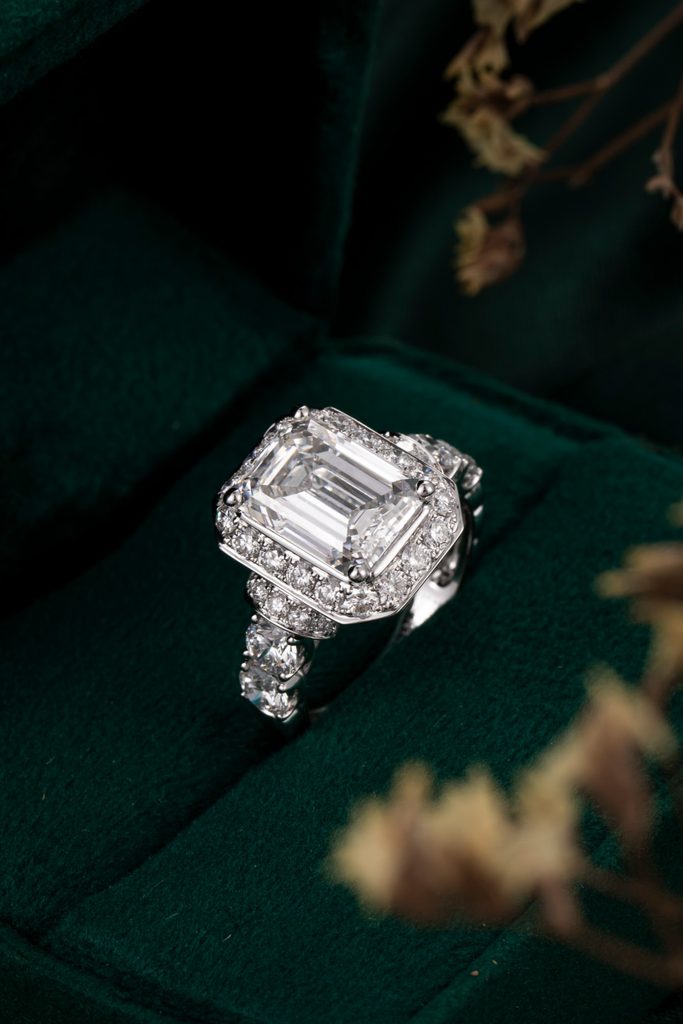
Lab diamond setting flaws rarely appear on digital mockups. Rendering software displays ideal static visuals, but cannot simulate physical force applied during hand‑setting, tumble polishing and everyday wear. Buyers ordering custom lab grown diamonds should ask their production partner to review seat depth, prong thickness and under‑cut range before sample manufacturing. Adjustments here do not ruin visual style; they preserve the original creative vision while adding necessary mechanical safety. Clients sometimes resist minor structural tweaks because they fear changing render appearance. Experienced jewelry producers can adjust hidden inner structures while keeping outer profile unchanged, balancing aesthetic pursuit and production practicality. Many rejected bulk‑order units trace back to this exact disconnect between virtual drawing and physical metal processing.
Insufficient Structural Support On Ring Band Construction
Visual appeal drives countless custom ring drafts, with clients pursuing ultra‑slim, tapered profiles for lightweight and elegant silhouettes. Thin band sections look stunning in product photos, yet struggle to withstand constant bending stress from daily finger movement. Rings experience repeated deformation every time wearers take them on and off, knock against hard surfaces or grip objects. Bands with inadequate cross‑section thickness slowly bend out‑of‑round, which distorts the entire mounting structure. Once the ring loses its circular shape, prongs shift out of alignment, stones become unstable, and resizing work becomes extremely difficult or even impossible.
Ring band strength issues create hidden long‑term risks that do not surface at sample inspection. A freshly finished sample ring may pass visual check perfectly, but mass‑produced copies with identical thin‑band dimensions will develop deformation issues after weeks of end‑user wear. Buyers should not only evaluate how narrow the band looks on renders, but also confirm minimum metal thickness at stress‑bearing sections. Tapered band designs require special attention: narrowing toward the setting shoulders creates high‑stress zones. Producers can add hidden inner reinforcement without widening outer band appearance, maintaining slim visual effect while boosting mechanical robustness. Skipping this step generates high rates of after‑sales complaints for retail partners.
Improper Mount Specification Creates Production Bottlenecks
Customers often reference high‑end reference pictures online and directly copy mount outlines into their custom briefs, without checking compatibility with actual custom lab grown diamonds dimensions. Discrepancies include mismatched stone girdle diameter, pavilion depth mismatch and incorrect prong spacing. When the pre‑drawn mount cavity does not match the actual calibrated diamond dimension received from inventory, workshop artisans face two bad options: force‑fit stones which causes girdle chipping, or manually rework every single mount unit, greatly increasing production cycle and labor expense.
Lab diamond mount problems become amplified during large‑volume orders. Reworking hundreds of individual mounts drives up unit cost and pushes back shipment schedules. Some buyers assume the factory can freely adjust mount geometry during production phase, but large‑batch metal molds and wax tooling lock in core structural dimensions early in the workflow. Major modifications after wax mould confirmation bring substantial extra cost. It is critical to finalize exact diamond specifications including diameter, depth and tolerance range before locking mount drawings. Cross‑verification between diamond spec sheet and mount drawing eliminates most preventable production obstacles.
Overlooking Production Constraints For Chain And Link Custom Pieces
Custom lab made diamond chains bring unique design‑related manufacturing challenges apart from ring mounting work. Popular custom requests include micro‑pavé full‑stone chains, ultra‑thin link structures and densely packed small lab‑grown diamond layouts. Many design briefs sketch tiny links covered with multiple miniature stones, leaving almost no metal space for secure prongs or bezel walls. Micro‑stone settings on ultra‑slender chain links face constant tension every time wearers move their necks. Chain links flex repeatedly, transferring stress directly onto stone‑setting points. Over‑delicate link plus dense stone layout creates high failure rates during polishing and usage. Links may distort, prongs lift, and small stones fall out easily.
Buyers sourcing wholesalelab‑growndiamonds.com for chain projects need to evaluate two layers of constraints: individual stone setting feasibility and link mechanical durability. Designers should reserve adequate metal material around each stone position. If the creative concept requires extremely slim visual presentation, producers can propose partial pavé instead of full‑surface stone coverage, or slightly enlarge link width within invisible tolerance ranges. Rushing into sample making without structural review generates samples that look beautiful yet cannot survive mass‑scale polishing and real‑world usage. Many wholesale clients learn this lesson only after receiving defective finished stock.
Hidden Design Errors Lead To Bulk Order Failures
A wide range of subtle drawing mistakes slip through initial review stages and trigger large‑scale waste. These errors cover incomplete tolerance notes, unreasonable stone‑position clearance, incompatible metal thickness and overlooked polishing access. Even if one sample piece can be hand‑fixed by senior craftsmen, identical manual correction cannot scale across dozens or hundreds of bulk‑order items. Every adjustment applied manually adds labor cost and introduces inconsistency across finished goods.
Custom jewelry manufacturing errors originating from design stage are far costlier to fix than manufacturing‑phase mistakes. Once wax patterns are finalized and moulds opened, revising core geometry means remaking tooling from scratch, consuming both time and capital. Many buyers treat design drawing purely as artistic output, rather than technical production blueprint. Every custom jewelry drawing needs to carry practical production‑oriented parameters: minimum metal thickness, stone seat depth, prong dimension, tolerance range and polishing accessibility notes. Without these technical markers, workshops can only guess designer intent, and guesswork consistently produces unexpected defects.
Misjudging Practical Limits Of Customized Aesthetic Requirements
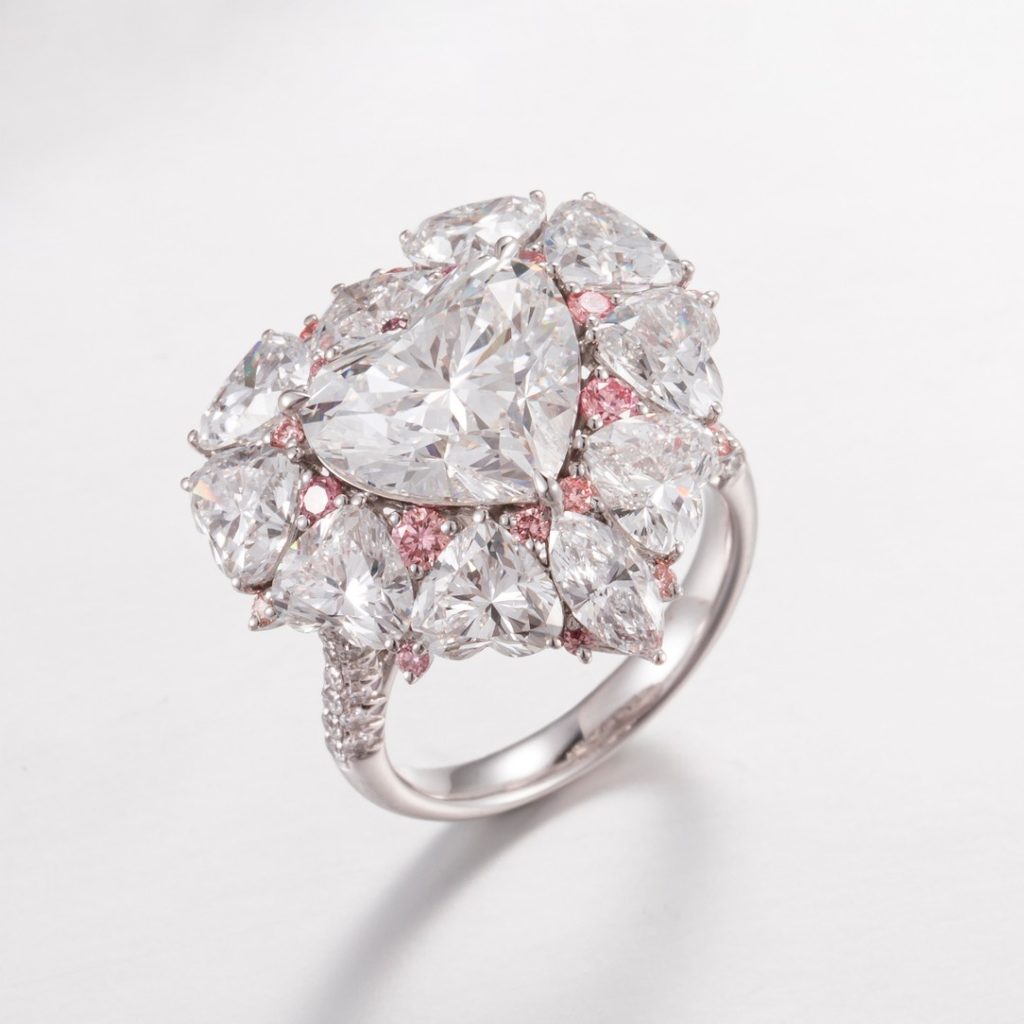
Creativity forms the core value of custom fashion jewelry, yet every creative concept exists within physical boundaries of metal and gemstone processing. Some customers combine multiple high‑risk structural elements in one single piece: ultra‑thin band plus oversized stone, micro‑prong setting paired with large‑carat custom lab grown diamonds, or ultra‑slender custom lab made diamond chains with full‑coverage micro‑pavé. Stacking multiple high‑risk features multiplies failure probability, even when each single feature looks feasible on its own.
custom jewelry design mistakes frequently stem from mixing reference elements taken from different finished products. A slim band seen on one reference piece, and a delicate setting copied from another photo, may not work when merged into one single custom item. Reference‑image copying ignores original pieces’ hidden internal reinforcements that are invisible on product photographs. Buyers should communicate openly about end‑product usage scenarios: whether items target daily‑wear retail consumers, occasional‑event usage, or display‑only purpose. For daily‑wear oriented merchandise, structural safety must hold equal weight with visual creativity. Producers can offer alternative design iterations preserving core aesthetic ideas while eliminating high‑risk structural points. Early‑stage technical consultation prevents painful losses after investing in sample and bulk production.
Ordering custom lab diamond jewelry means balancing creative vision with manufacturing reality. Beautiful renderings cannot replace technical feasibility assessment. Every custom project benefits from early‑phase structural review before tooling development and sample fabrication. Addressing potential risks at drawing stage saves significant cost, shortens lead‑time, stabilizes finished‑goods quality and helps brands deliver reliable merchandise to end customers. Skipping this critical review step often leads to avoidable sample rework, bulk‑order rejection, and disappointed retail consumers. Thoughtful design review turns creative concepts into durable, market‑ready custom lab diamond jewelry.
Leave a Reply