Building Fashion Hip‑Hop Lines
The rising demand for eye‑catching diamond‑infused fashion and hip‑hop pieces reshapes how jewelry collections get developed across global markets. Brands aiming to capture modern consumer attention need reliable production partners capable of translating bold creative concepts into market‑ready physical goods. Many creative teams struggle when sourcing pieces that balance dramatic visual appeal, wearable durability, and controlled project expenditure. Working alongside experienced production facilities removes many common roadblocks that slow down new collection launches, covering everything from initial concept sketch work to final quality checks before shipment.
Material Sourcing Strategy For Diverse Jewelry Collections
Modern jewelry projects cover vastly different end‑use scenarios, spanning timeless romantic pieces all the way to statement street‑oriented ornaments. A flexible sourcing network makes it possible to match stone specifications to each product line’s exact target market. Brands focused on fine bridal pieces frequently explore custom lab grown diamond engagement ring options that deliver authentic diamond brilliance without the premium pricing attached to mined gemstones. Meanwhile, street‑style collections lean heavily on sizable, highly visible stones to achieve that signature bold visual impact audiences expect.
Securing consistent stone supply forms one core foundation of smooth manufacturing workflows. Access to wholesale diamonds lab grown gives project planners greater freedom to adjust stone grades, carat sizes, and certification standards to fit different price tiers within one single collection. Buyers can select IGI‑certified HPHT or CVD rough and finished stones, choosing from small melee sizes all the way up to substantial faceted gems. This sourcing flexibility allows teams to allocate budget efficiently, assigning higher‑grade stones for flagship hero products while selecting cost‑effective yet visually comparable alternatives for entry‑level SKUs. Close coordination between stone procurement teams and in‑house craftsmen prevents mismatches between stone dimensions and pre‑prepared metal settings, cutting down on material waste and unexpected production delays.
Technical Capabilities Behind Oversized Statement Pieces
Large‑format hip‑hop jewelry poses unique technical hurdles that ordinary fine‑jewelry workshops cannot easily resolve. Producing pieces built around large lab diamond demands careful attention to metal frame thickness, prong strength, and setting geometry, because heavier gemstones apply constant physical stress to mounting structures during daily wear. Thin metal construction will quickly lead to bent prongs, loose stones, and costly product returns once items reach retail shelves. Production teams adjust metal alloy density, wall thickness, and prong count specifically for oversized gems, prioritizing long‑term hold security without hiding the stone’s surface sparkle underneath excess metal mass.
Every physical parameter gets validated through prototype testing before mass production begins. Sample units undergo simulated wear cycles, including repeated ultrasonic cleaning, impact simulation, and torsion testing, to replicate real‑world conditions consumers subject jewelry to. Thick gold formulations widely used within street‑style lines require precise casting controls to avoid internal porosity that weakens finished pendants, chains, and rings. CAD modeling software maps every structural detail, letting brand teams review proportions digitally, request revisions, and approve visual output before any metal gets poured. This iterative digital review phase reduces expensive physical prototype rounds and keeps overall project timelines predictable.
Production Workflow Within Specialized Jewelry Facilities
A capable hip hop jewelry factory combines digital design infrastructure with hands‑on artisan skill to turn abstract creative references into finished commercial inventory. Full workflow coverage starts with reference interpretation, whether clients supply hand‑drawn sketches, mood‑board imagery, or physical sample pieces for replication. Internal CAD technicians translate creative direction into precise 3D files optimized for 3D printing casting patterns. Once 3D outputs receive formal approval, wax patterns move onto casting, polishing, stone‑setting, surface finishing, and multi‑stage quality assessment.
For complex collections mixing bridal‑style items and street‑oriented statement goods, internal production scheduling separates delicate fine‑jewelry tasks from heavy‑gauge metal fabrication runs. Micro‑pave setting stations handle densely encrusted surfaces typical for hip‑hop pendants and link chains, while separate workstations manage solitaire mounting work for classic‑style ring designs. Laser‑welding equipment reinforces high‑stress joints on thick chains and oversized pendants, minimizing fracture risks that appear with traditional hand‑soldering techniques on heavy metal assemblies. Every finished unit passes gemstone alignment inspection, metal surface examination, and weight verification, confirming each item matches the pre‑approved technical specification sheet. Batch‑level consistency receives strict oversight, so units within one order maintain uniform visual quality regardless of total order volume.
Balancing Bold Aesthetics With Commercial Viability For Street‑wear Collections
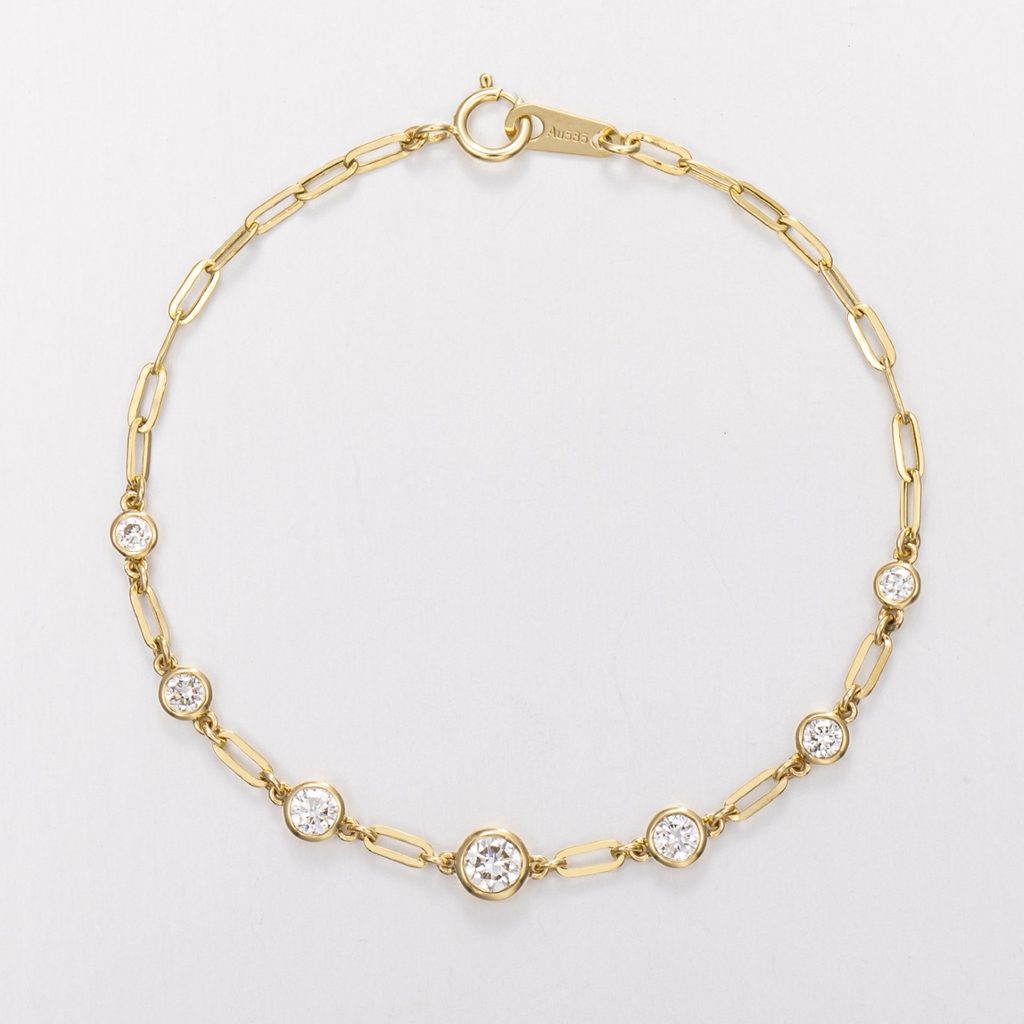
Creating compelling lab diamond hip hop jewelry requires more than assembling large stones onto thick metal bases; successful lines must balance dramatic visual presence against retail price points and practical wear‑and‑tear performance. Many emerging brands over‑engineer early samples, adding excessive gold mass that pushes final selling price beyond what target shoppers will comfortably pay. Experienced manufacturing partners offer practical adjustments to preserve the intended aggressive visual look while optimizing material consumption. Modifications can include controlled hollow internal structures with reinforced outer walls, selective stone placement, and graded stone sizes across different SKUs inside one collection.
Lead‑time planning represents another critical commercial consideration. Custom‑formulated metal alloys, special‑order large‑carat lab‑grown stones, and highly‑intricate hand‑setting work all extend manufacturing timelines. Transparent timeline forecasting helps brand teams align production runs with seasonal retail windows, product launch events, or influencer marketing cycles. Factoring sampling cycles, material lead‑times, mass production, and final inspection into project planning prevents rushed output that sacrifices finished‑goods quality. Flexible minimum‑order structures also support brand growth paths, permitting smaller initial test batches before committing to full‑scale large‑volume rollouts for proven best‑selling designs.
Cost Management For Mixed‑Style Custom Jewelry Projects
Total project expense breaks down into several major components: gemstone procurement, raw metal weight, manual setting labor, prototype iteration work, surface treatment processes, and quality assurance overhead. Gemstone expense fluctuates with carat weight, color grade, clarity standards, and certification requirements. Metal cost directly correlates with gram weight, which becomes very prominent in heavy‑profile hip‑hop‑style rings, pendants, and link chains. Hand‑setting labor accounts for a substantial share of total cost for heavily encrusted items, as each individual gem needs careful placement and secure fastening by skilled craftsmen.
Brands can exercise meaningful cost control without sacrificing core design identity through several proven adjustments. Shifting certain hero‑piece specifications toward mid‑high clarity grades maintains outstanding visual sparkle while lowering stone acquisition costs. Optimizing metal wall thickness removes unnecessary excess mass without compromising structural durability. Consolidating multiple SKUs into shared production batches reduces repeated setup charges for casting and finishing equipment. Early‑stage dialogue with production teams about target retail price points allows technical teams to propose feasible design tweaks during CAD review rather than discovering cost overruns after physical samples are already produced. Detailed item‑by‑item cost breakdowns support brand teams as they set retail pricing and calculate expected margins for every SKU inside new fashion‑forward jewelry assortments.
Collaboration between creative brand teams and experienced manufacturing resources unlocks the full market potential of lab‑diamond‑driven fashion and hip‑hop jewelry lines. Thoughtful material selection, rigorous structural engineering, controlled cost planning, and thorough quality validation combine to deliver collections that resonate with today’s diverse consumer audiences. By leveraging end‑to‑end production capability, brands avoid common pitfalls that derail custom jewelry launches and bring distinctive, market‑competitive products to global retail channels.
Leave a Reply