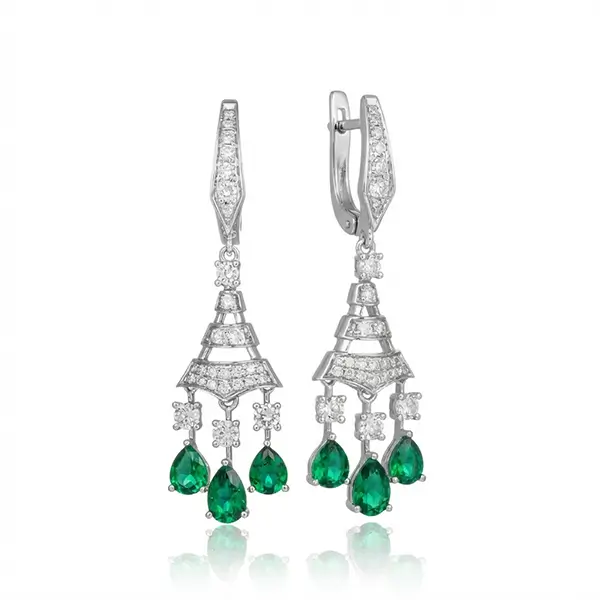
Sustainability Advantages Behind Custom Lab Diamond Jewelry Creation
The global fine‑jewelry landscape is shifting rapidly as modern buyers weigh environmental footprint and ethical sourcing alongside visual appeal and craftsmanship. More shoppers reject outdated mining‑linked narratives and actively seek pieces that align with personal values without compromising luxury aesthetics. Custom lab‑diamond jewelry sits perfectly at this intersection, bringing together bespoke design freedom, gemological authenticity, and tangible sustainability benefits built deep within production workflows. Every step from raw crystal formation to final hand‑setting creates opportunities to lower ecological harm, deliver transparent origins, and build pieces that carry meaningful stories for end‑wearers. Understanding these advantages helps translate factory‑level operational choices into compelling consumer‑focused value that resonates across bridal, everyday wear, and special‑occasion markets.
Responsible Production Workflows Within Modern Gem Manufacturing Spaces
Every physical piece of jewelry carries an environmental footprint shaped by where and how it is made. A well‑equipped lab diamond factory structures its entire workflow to cut waste, optimize resource consumption, and avoid ecological damage associated with conventional mineral extraction. Traditional diamond mining disturbs vast land areas, depletes local water sources, and generates massive volumes of displaced earth for each finished carat of polished stone. In‑house lab‑diamond synthesis avoids large‑scale land disruption entirely. Advanced closed‑loop cooling systems recycle most process water, while facility upgrades prioritise renewable energy inputs to drive crystal‑growing chambers, polishing equipment, and metal fabrication stations.
Material waste reduction forms another core pillar of these responsible workflows. When creating custom‑order pieces, digital 3‑modelling software refines designs before any metal is cut or cast. This pre‑production precision minimises scrapped precious metal, reduces repeated rework cycles, and keeps raw‑material loss to practical minimum levels. Scrap gold, platinum, and silver generated during cutting, filing and setting processes are fully collected, refined, and fed back into future production batches. Such closed‑material loops mean less demand for newly mined precious metal inputs. These factory‑floor improvements are not visible when customers view finished jewelry, yet they form the foundational backbone of eco‑conscious luxury, and they can be communicated clearly to buyers who care about behind‑the‑scenes manufacturing practices.
Sourcing Integrity That Removes Traditional Supply Chain Risks
Many consumers today want full confidence that their jewelry purchases do not support human‑rights violations or conflict‑tied commodity trade. Even with existing industry certification frameworks for mined diamonds, gaps remain in verifying every stone along complex multi‑party supply routes, creating persistent uncertainty for retailers and end‑customers alike. conflict‑free lab diamonds remove this layer of risk entirely. Each lab‑grown gem originates inside controlled production chambers, with clear, traceable records covering crystal growth, polishing, grading and final delivery. There is no connection to artisanal or industrial mining zones linked to armed conflict, unsafe labour conditions, or community displacement.
Gemological grading documents from internationally recognised laboratories accompany each stone, confirming colour, clarity, cut and carat specifications alongside clear identification of lab‑grown origin. This level of documentation allows full traceability down to individual gemstones, a benchmark extremely difficult to maintain for large volumes of mined rough diamonds. When integrated into custom‑order workflows, this sourcing integrity extends to every personalised ring, pendant or pair of earrings. Buyers do not merely receive a beautiful custom piece; they receive assurance that their purchase does not indirectly fund harm anywhere in the supply chain. This ethical guarantee becomes a powerful talking point for product descriptions, social‑media storytelling and in‑store customer conversations.
Custom Design Capabilities Merged With Eco‑Conscious Consumer Expectations
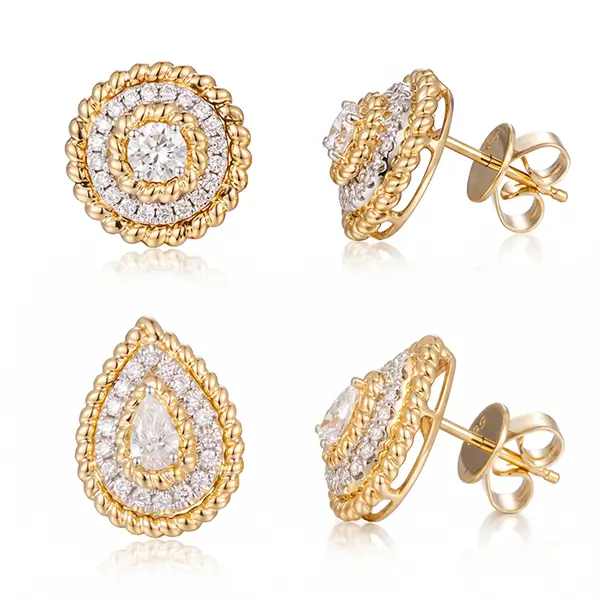
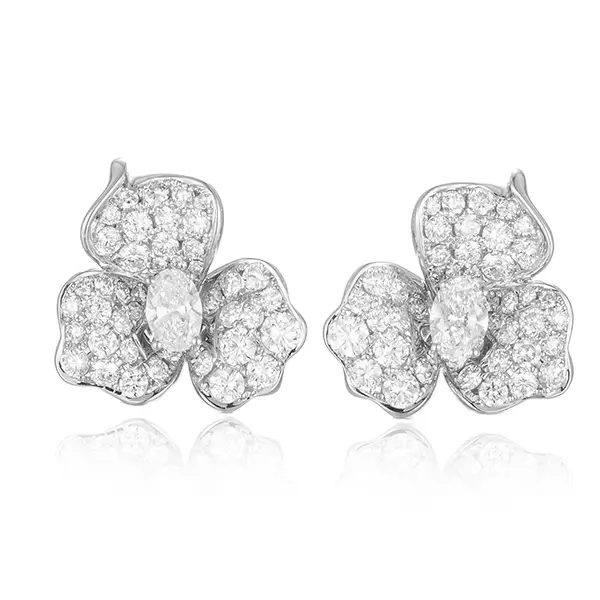
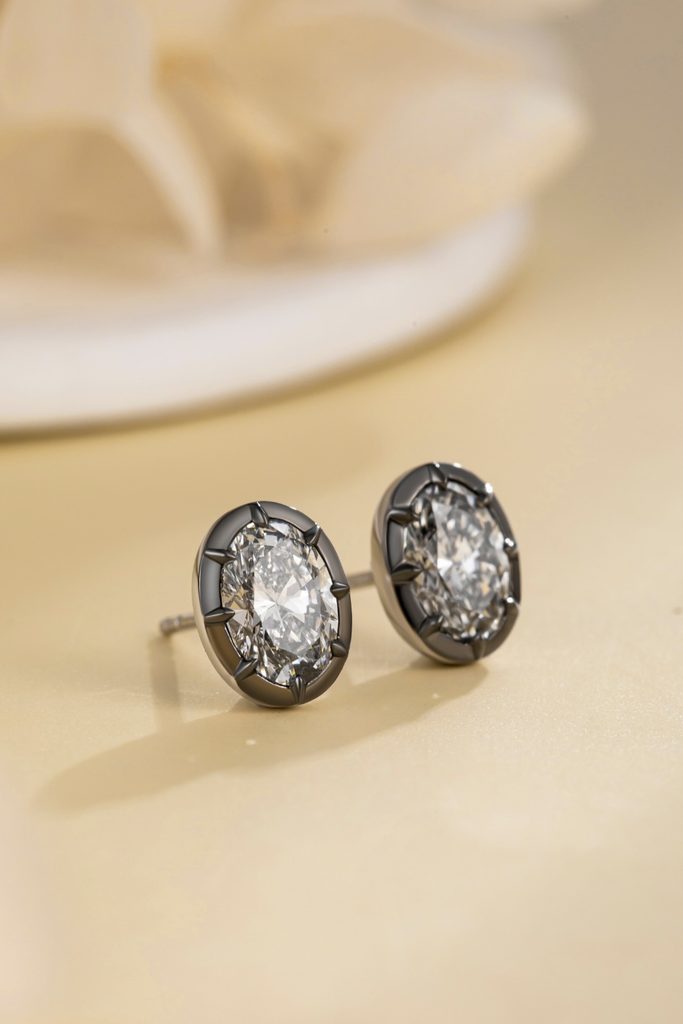
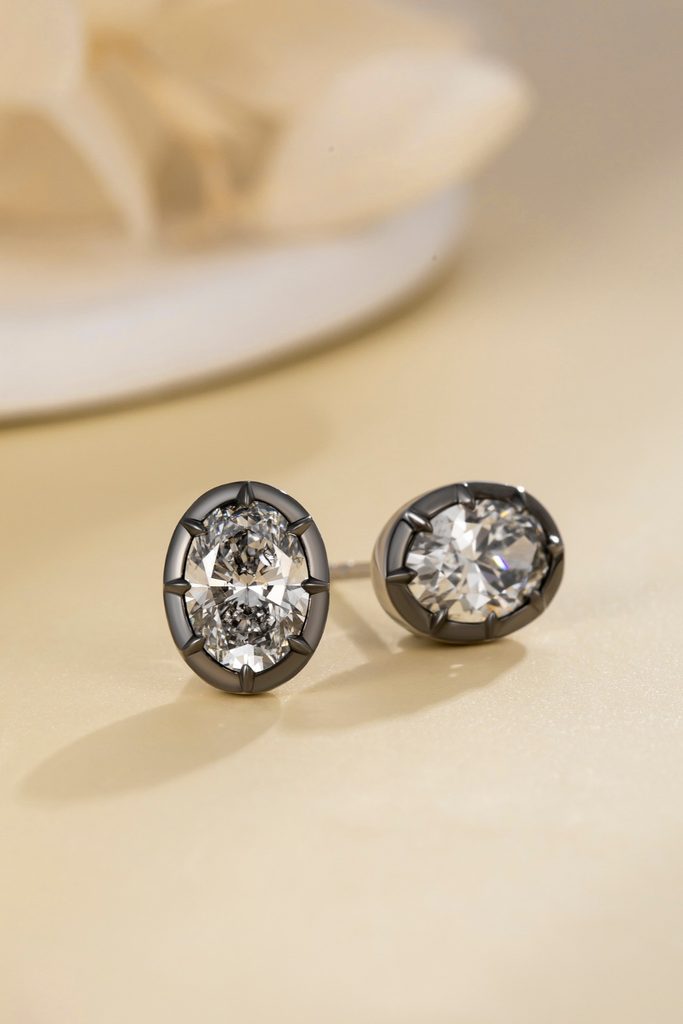
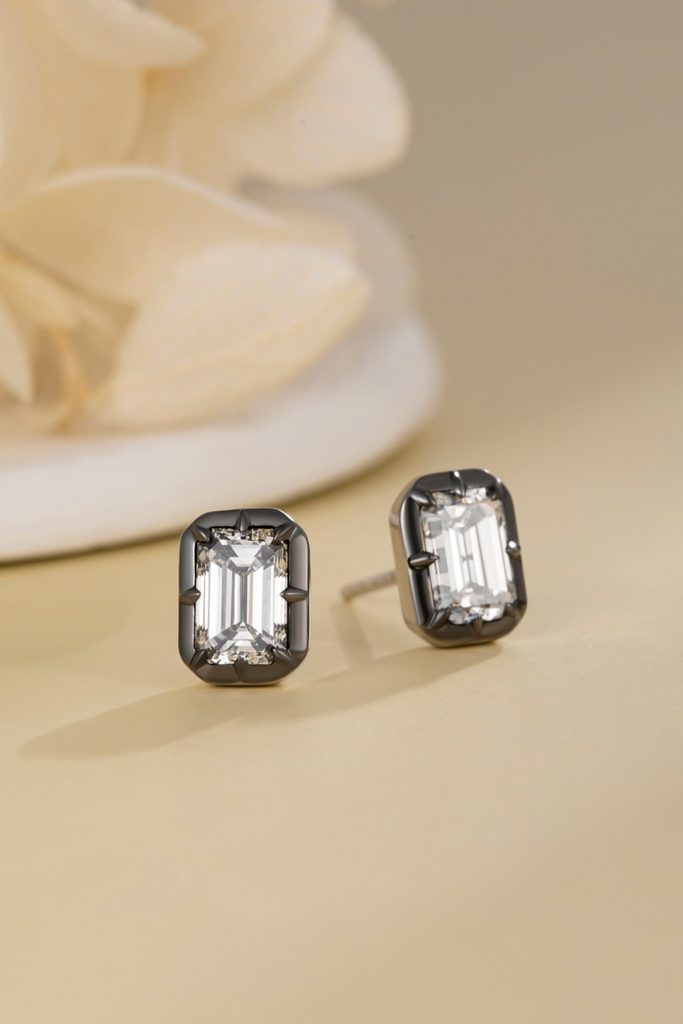
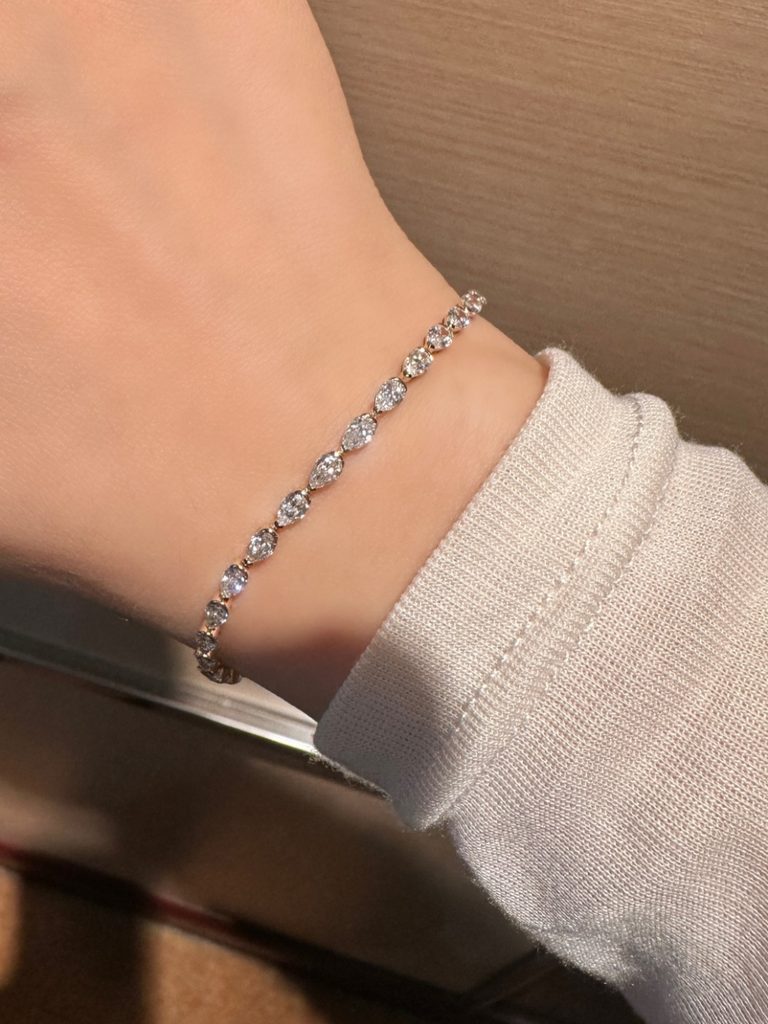
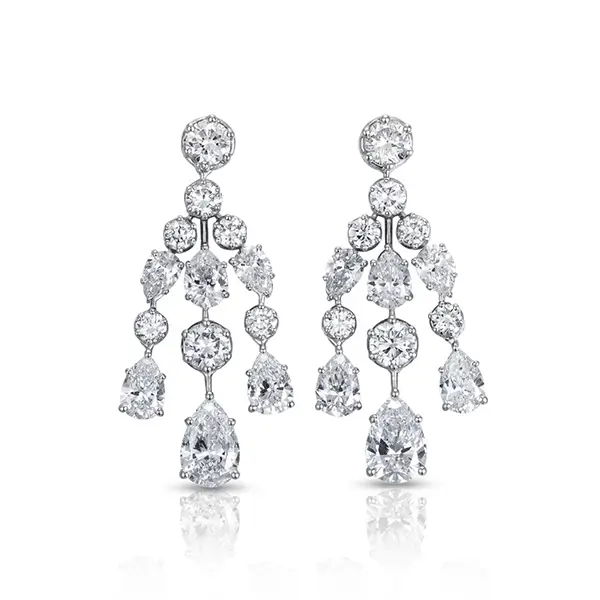
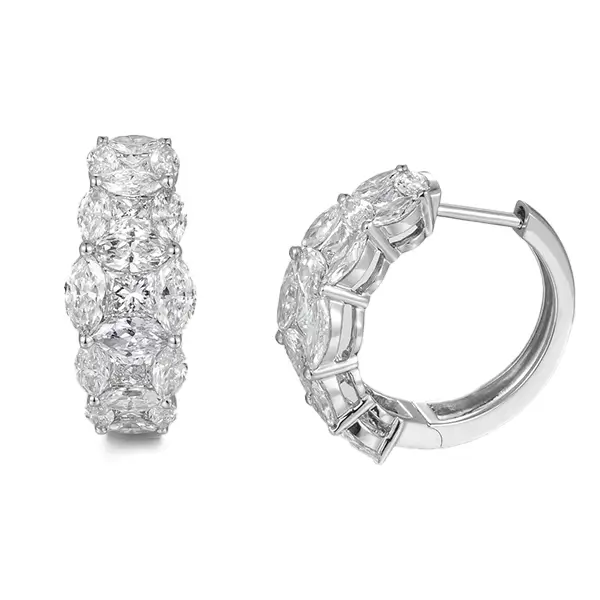
Modern luxury buyers refuse to choose between personal style and environmental responsibility. They seek items that reflect individual identity while honouring personal ethical standards, and this demand drives growing interest in custom sustainable jewelry. Full customisation covers every creative choice: gemstone shape and size, metal selection, engraving details, band profiles, stone layouts, and mixed‑gem combinations. Design teams translate customer sketches, reference images, and conceptual ideas into manufacturable 3‑dimensional files, whether clients desire minimalist everyday pieces, bold statement jewellery, or sentimental bridal creations.
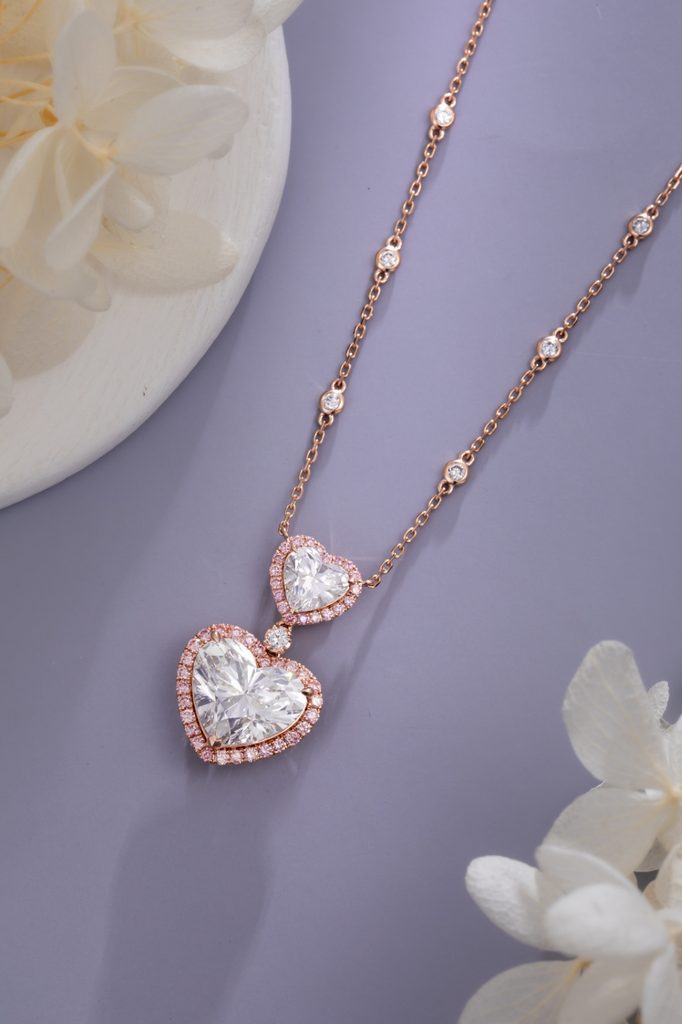
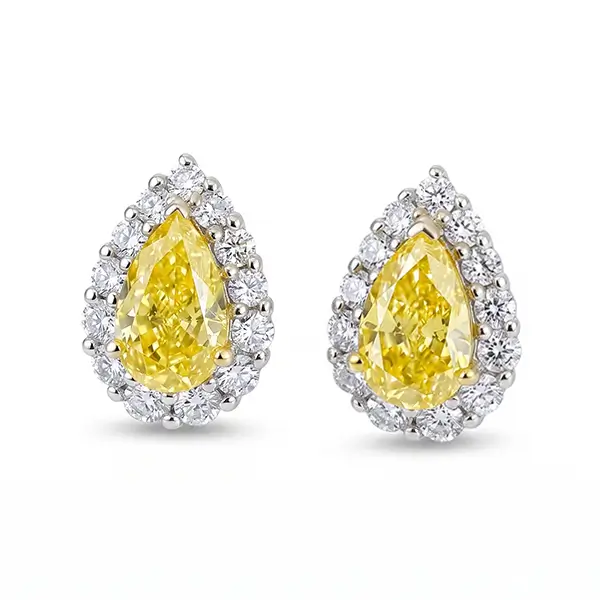
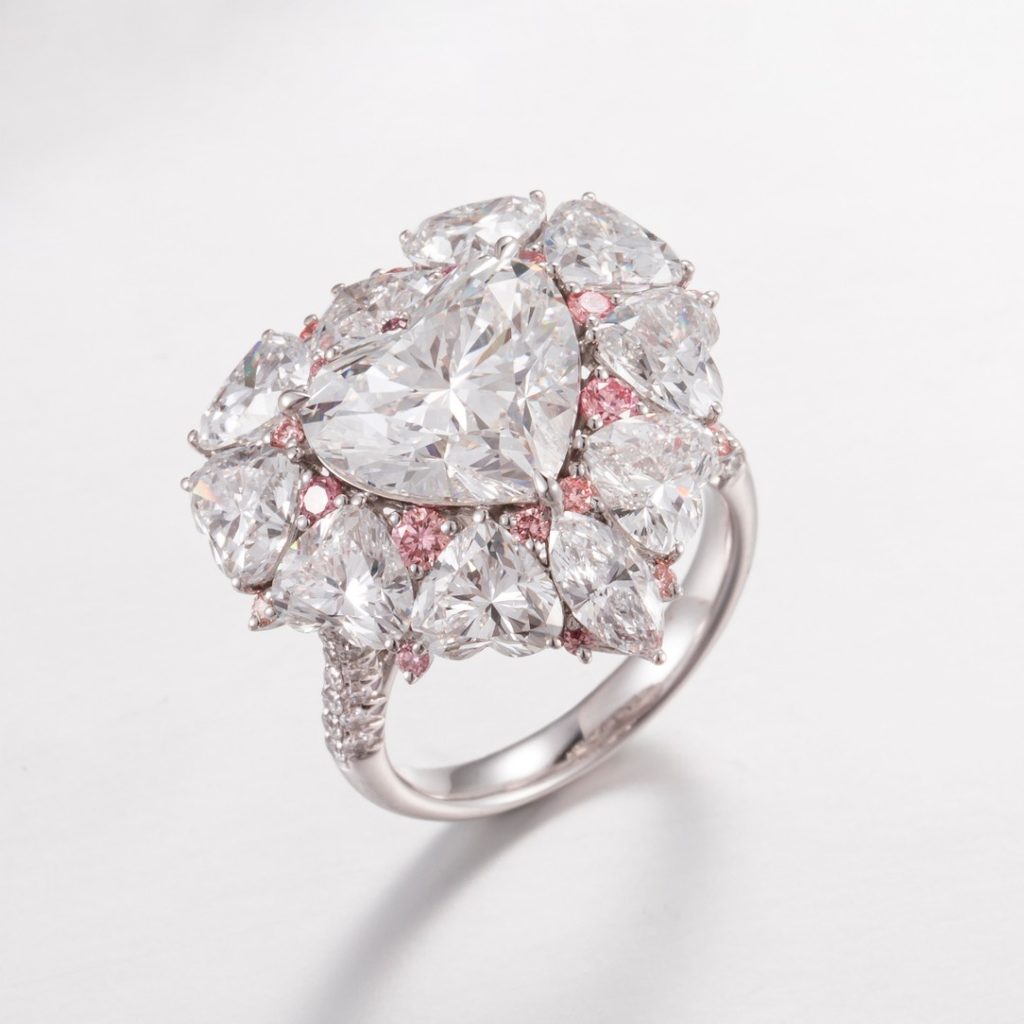
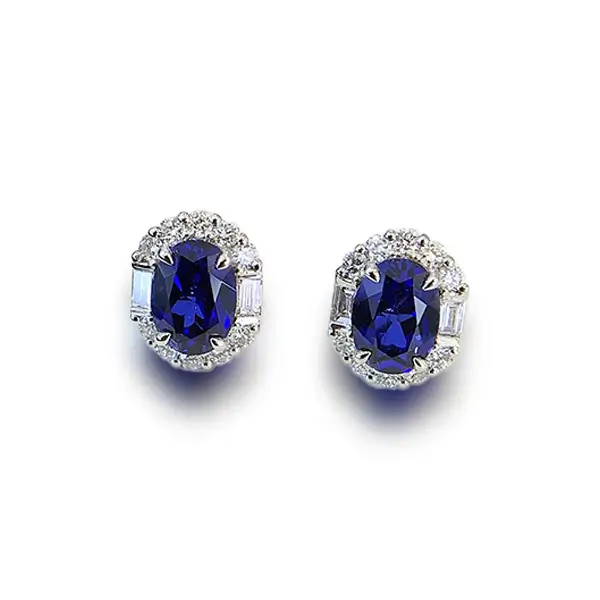
Custom‑order workflows also support thoughtful material selection aligned with sustainability goals. Recycled gold and platinum can be specified alongside lab‑grown diamonds to further lower overall product footprint. Colour‑varied lab‑diamond options including fancy pink, yellow and blue tones deliver vibrant alternatives to rare mined colour stones, without the unpredictable environmental cost of coloured‑gem extraction. This flexibility means sustainability never acts as a creative limitation. Instead, it expands creative possibilities. Customers can realise highly personalised visions while sticking to their value‑based purchasing priorities. Retail partners also benefit, as custom‑oriented product lines attract demographic groups that actively filter shopping options around ethical and environmental criteria.
Market Versatility And Commercial Potential Across Diverse Product Lines
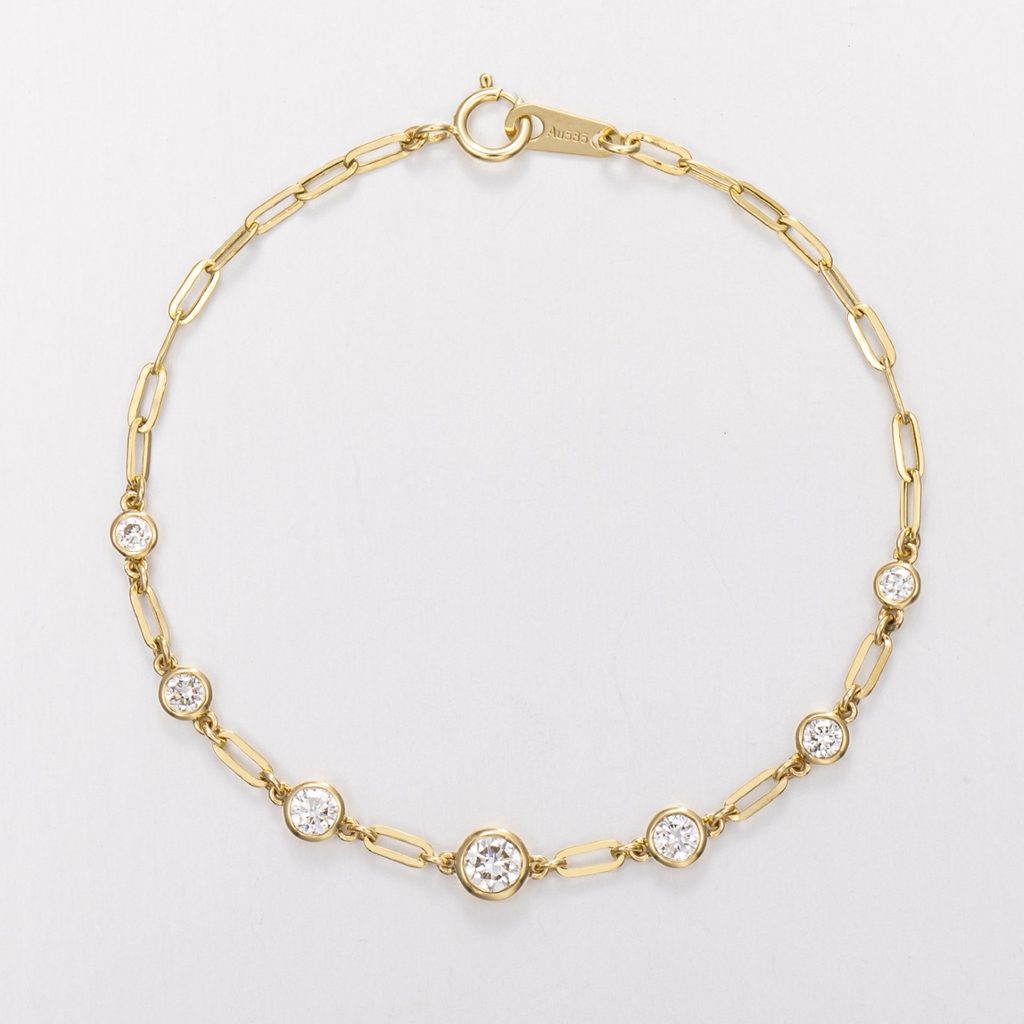
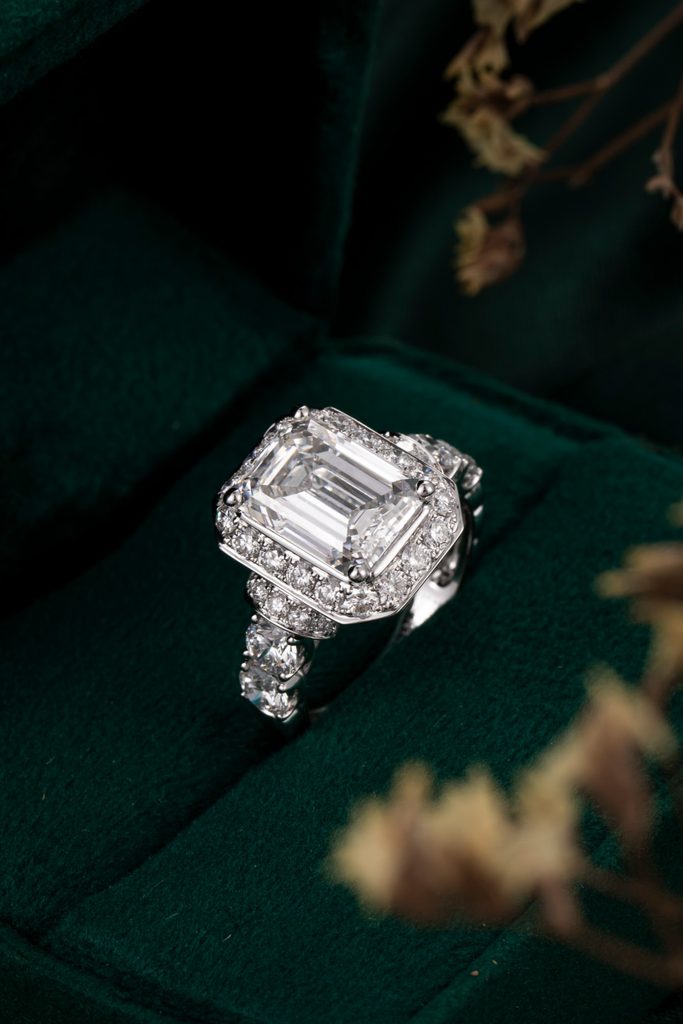
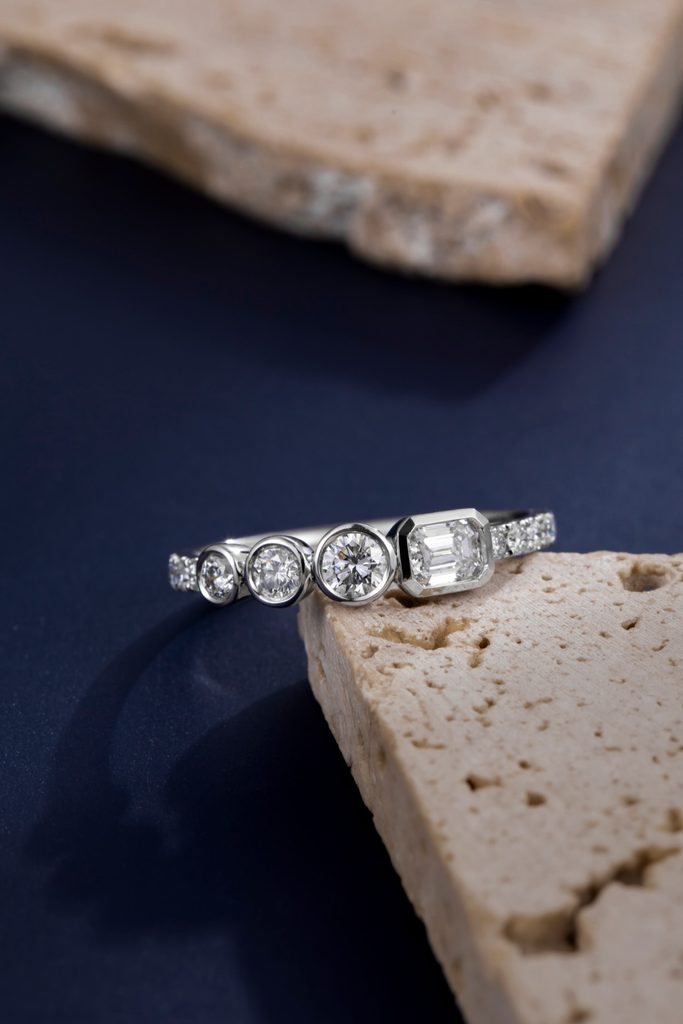
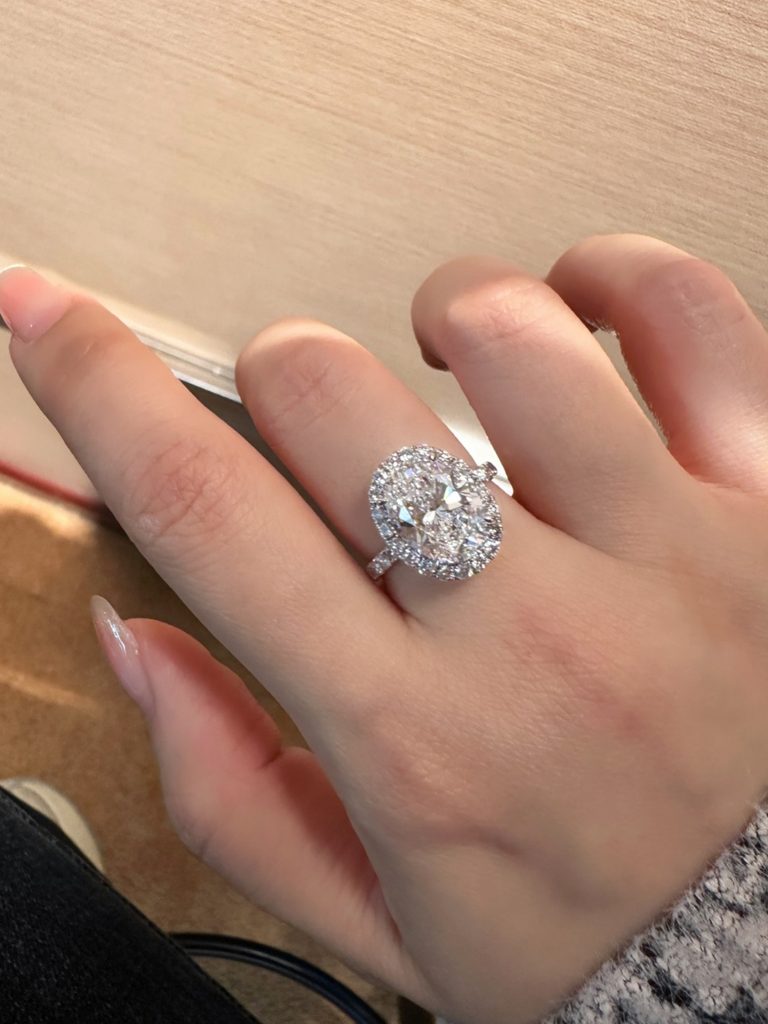
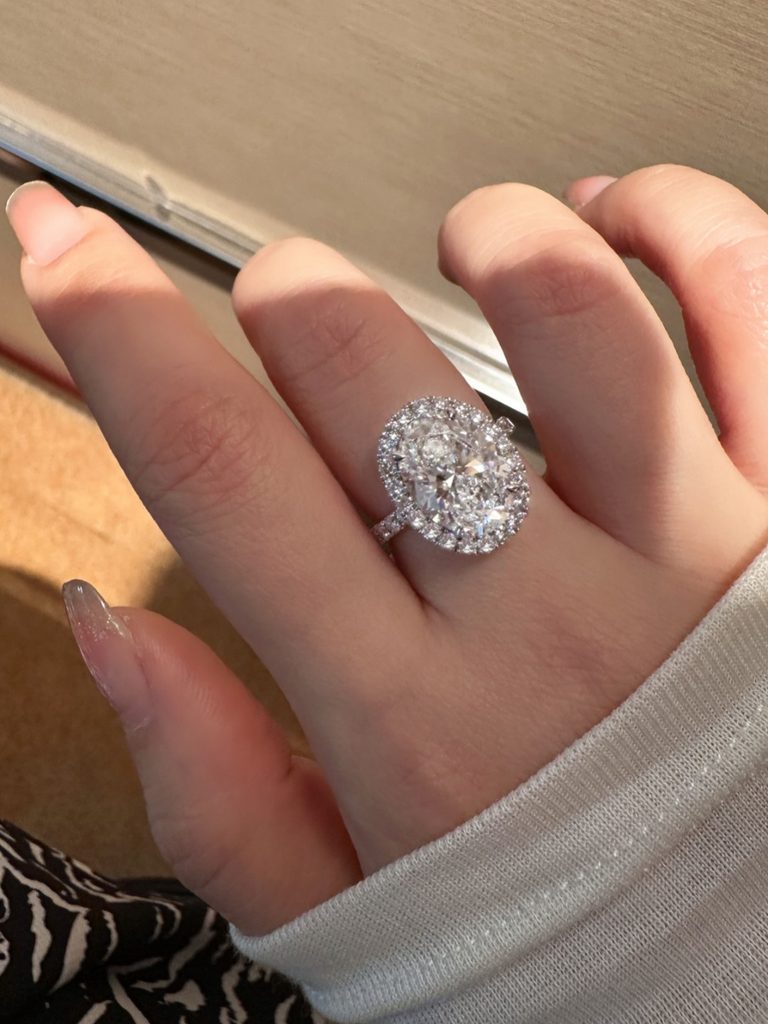
Bridal categories remain the largest market for lab‑diamond jewellery, yet demand spreads across cocktail wear, stackable daily‑wear pieces, memorial jewellery and gifting collections. wholesale lab grown diamond rings represent one of the highest‑volume custom‑oriented product segments. Retail partners can select from standard‑reference silhouettes or submit fully original custom briefs, adjusting stone specifications, metal karat values, band thickness and accent‑stone layouts for target‑market preferences. Small‑batch custom orders are supported alongside large‑volume production runs, giving retailers flexibility to test niche‑market concepts without over‑investing in static pre‑produced inventory.
This market flexibility pairs naturally with sustainability messaging. Retailers can differentiate their store collections by highlighting low‑impact manufacturing and traceable gem origins to set offerings apart from competitors relying exclusively on mined‑diamond stock. Custom‑order models also reduce over‑production risks. Items are largely manufactured after orders are placed, cutting down on unsold finished‑goods stock that often ends up discarded or heavily discounted. This inventory‑light approach aligns with circular‑economy principles, lowering overall industry waste at the retail level as well as the manufacturing level. Brands can build product narratives that connect factory‑side environmental measures all the way to the end‑customer experience.
Translating Factory‑Level Green Processes Into Compelling Consumer Narratives
Many sustainable manufacturing improvements take place deep inside production facilities and remain invisible to people purchasing finished jewelry. Successfully communicating these merits requires translating technical factory realities into relatable customer‑focused stories. green lab diamond jewelry builds its market appeal by explaining tangible real‑world benefits rather than relying on vague marketing buzzwords. Instead of generic statements about sustainability, messaging can focus on concrete outcomes: avoided land degradation, reduced water consumption, closed‑loop metal recycling, and fully traceable gemstone origins.
Visual storytelling reinforces these points effectively. Short‑form content can showcase 3‑D design work, crystal‑growing equipment, metal‑recycling procedures, and quality‑grading workflows, helping audiences visualise how their custom piece comes to life. Product page descriptions can outline what sustainability means for that specific item, rather than using broad copy applied across an entire catalogue. It is equally important to share accurate gemological education: lab‑grown diamonds possess identical physical, optical and chemical properties as mined diamonds, delivering identical sparkle and durability, with differences existing only in origin story. Clear, honest education reduces consumer confusion and builds trust.
Value Proposition For Buyers Seeking Ethical Alternatives Within Luxury Spaces
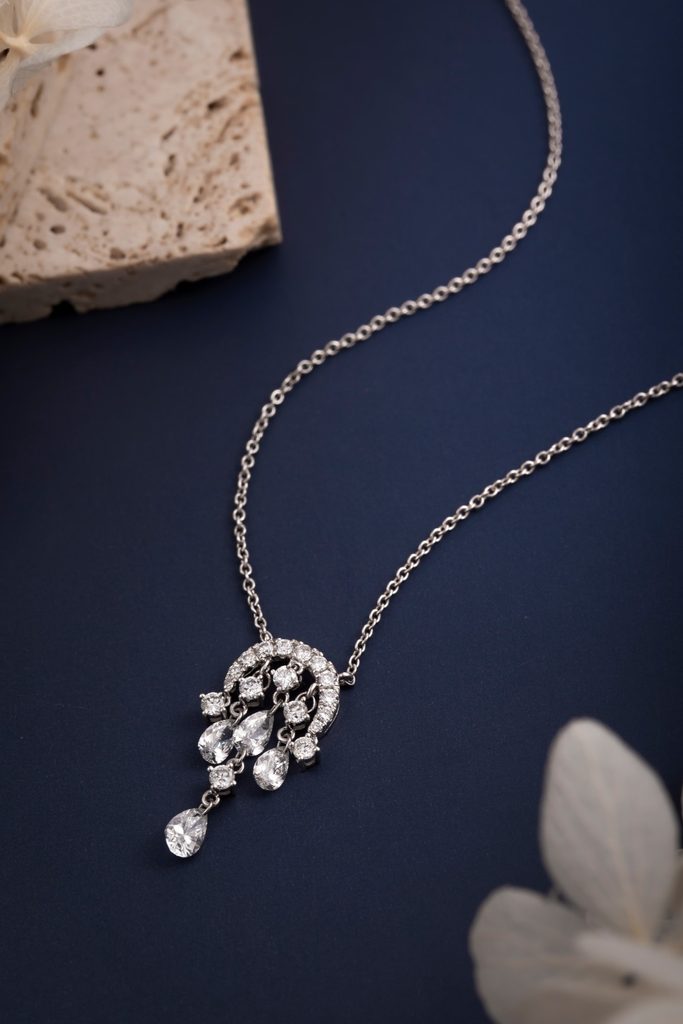
Shoppers exploring fine jewellery frequently face conflicting information around ethical gem sourcing. Many want to own meaningful diamond jewellery but feel uneasy about the social and environmental baggage attached to mined‑diamond supply chains. ethical custom diamonds resolve this tension by combining personalised design freedom with verifiable responsible origins. Customers invest in pieces built for their own life moments, anniversaries, milestones and self‑celebration, without accepting the unknown risks embedded within traditional commodity‑diamond markets.
Cost‑structure advantages further amplify this value proposition. Lab‑diamond technology allows larger, higher‑quality stones within fixed‑budget boundaries. Buyers can allocate portions of their budget toward custom‑design details, special engravings, or premium metal finishes instead of paying premiums tied to mined‑diamond rarity narratives. Value here extends beyond pure monetary metrics. There is emotional value in knowing that a cherished piece of jewellery supports responsible industrial practices. Many customers actively share these origin‑linked stories with friends and family, turning individual purchases into organic word‑of‑mouth promotion for ethically‑minded jewellery lines.
Balancing Craftsmanship Standards And Eco‑Friendly Manufacturing Outcomes
A common misconception assumes sustainable production requires trade‑offs against build quality, finish or long‑term durability. That assumption does not hold for professionally manufactured lab‑diamond custom jewellery. eco lab diamond jewellery maintains rigorous craft benchmarks alongside environmental objectives. Polishing, stone‑setting, metal finishing and quality inspection follow identical high‑quality standards applied to traditional fine‑jewellery production. Every custom creation goes through multi‑stage quality checks covering stone security, surface polish, dimensional accuracy, and metal integrity.
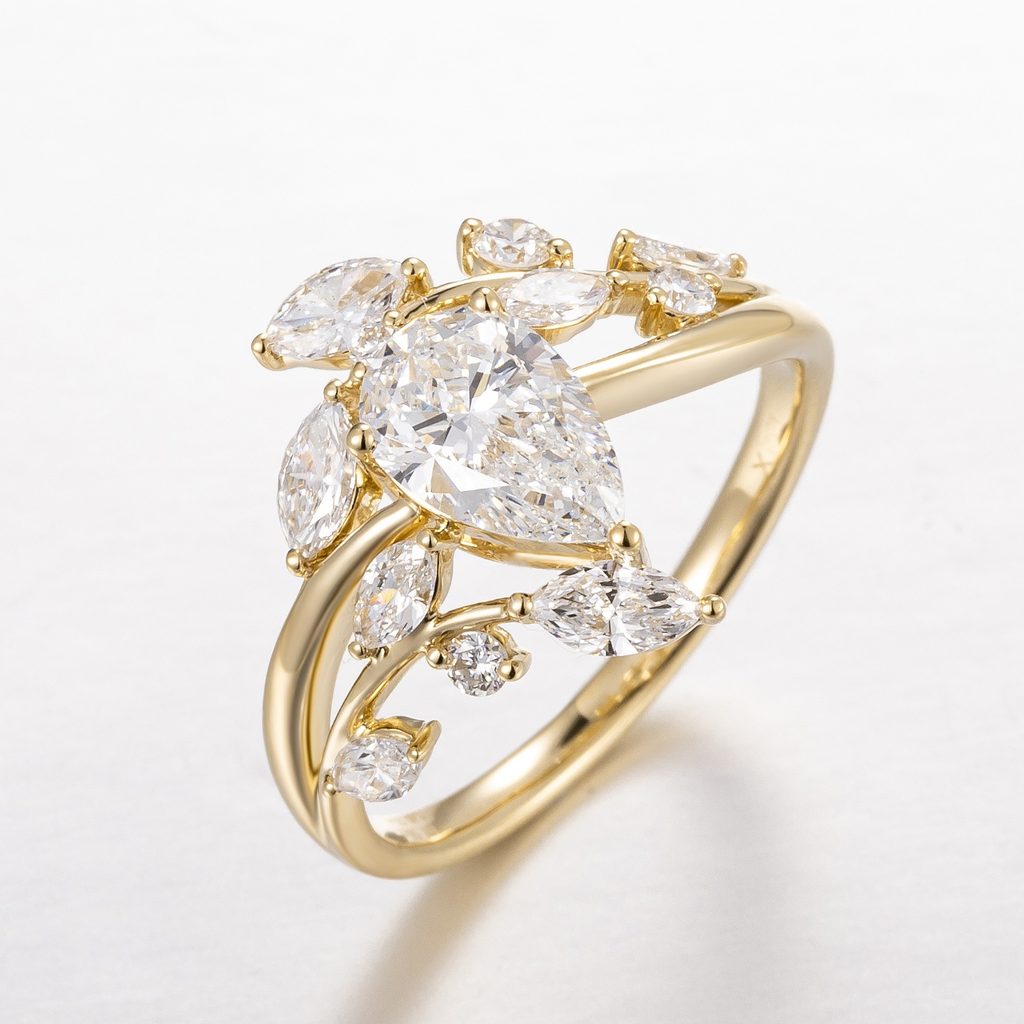
Durability directly supports sustainability. Well‑constructed jewellery remains wearable for decades, passed between generations, which reduces demand for frequent replacement purchases. Manufacturing teams prioritise robust stone‑setting techniques and stable alloy compositions to extend usable product lifespans. Even when customers later choose to redesign existing pieces, precious‑metal components and lab‑diamond gemstones can be recovered and reused for new custom projects. This circular capability creates long‑term value, letting jewellery evolve alongside its owner’s changing taste rather than ending up discarded. Combining lasting physical quality with responsible sourcing creates complete sustainability that covers both production phase and the full product lifecycle.
Consumers today look far beyond surface sparkle when selecting fine jewellery. They evaluate origin stories, manufacturing ethics, and environmental impact as essential parts of luxury value. Custom lab‑diamond jewellery delivers on all these fronts. Production‑site resource optimisation, closed‑material recycling systems, fully traceable gem sources, and broad custom‑design possibilities come together to build a compelling alternative to mining‑dependent traditions. Every custom‑made piece gives buyers the chance to own something deeply personal, while voting with their purchasing power for gentler treatment of planetary resources and fairer supply‑chain standards. As consumer awareness keeps expanding, manufacturers and retailers who integrate these sustainability advantages into clear, authentic storytelling will continue to capture growing segments of the modern fine‑jewellery market.