Small‑Batch Custom Lab Diamond Jewelry Solutions for Startup Brands
Launching a new jewelry line brings unique obstacles when working with lab‑grown diamond pieces. Many emerging brands face rigid production thresholds, inflated setup charges, and limited access to premium stone resources. Large‑scale production lines are structured for high‑volume runs, leaving creative new labels stuck between sacrificing design originality or accepting prohibitive upfront costs. Small‑batch manufacturing bridges this gap, giving startup brands room to test market feedback, refine collections, and build brand identity without overcommitting capital to unproven inventory. Working directly with production teams helps brands understand realistic boundaries around design, material selection, and lead‑time planning before finalizing any collection roadmap.
Realistic Design Boundaries for Small‑Batch Lab Diamond Projects
Not every conceptual design translates smoothly into small‑order manufacturing. Highly intricate multi‑layer structures, hand‑engraved micro‑details, and complex mixed‑stone layouts can drive up labor hours and sample iteration cycles significantly, even when the final piece looks visually streamlined. When building collections for limited production runs, brands should prioritize designs that balance artistic vision with manufacturability. Setting styles such as prong, bezel, and simple channel settings perform reliably in small batches, while heavy pavé‑covered surfaces demand meticulous hand‑setting work that expands timelines and raises per‑unit pricing.
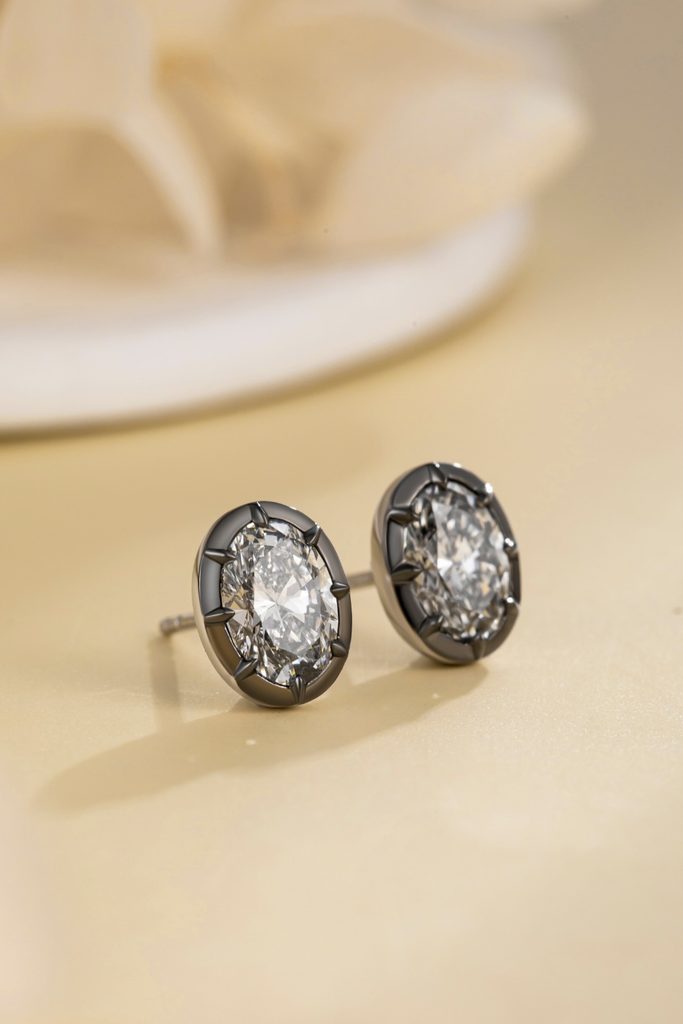
Custom jewelry low moq workflows reward smart design compromises rather than total creative surrender. Brands can preserve signature aesthetics by simplifying secondary decorative elements while keeping core visual features intact. For instance, replace dense micro‑pavé sections with larger accent stones, or reduce multi‑metal overlapping components to fewer structural parts. These adjustments do not erase creative personality, but they cut down manual assembly work and keep sampling cycles predictable. It is also practical to reuse compatible base settings across multiple SKUs, swapping stone sizes or surface finishes to create varied looks without generating brand‑new tooling for every single style. This approach lets startup brands roll out diverse‑looking collections while controlling one‑off production fees.
Sampling remains a non‑negotiable step for small‑batch projects. Physical prototypes expose fit problems, stone‑setting weak points, and plating inconsistencies that digital CAD renders cannot reveal. New brands often underestimate how many revision rounds custom lab diamond pieces require. Locking in design parameters, metal specifications, stone grading, and surface finish before sampling minimizes costly redo work once production starts.
Strategic Stone Sourcing to Stabilize Small‑Run Budgets
Stone cost represents one of the largest line‑item expenses for lab‑diamond jewelry lines, and poor sourcing choices can quickly derail small‑batch budgets. Securing consistent, certified stones directly shapes final product quality, retail pricing power, and customer trust. When evaluating stone options, brands need clarity around grading reports, batch‑to‑batch color uniformity, and available calibrated sizes before drafting final designs.
Wholesale diamonds lab grown supply channels give emerging brands access to loose stones without the huge minimum buys required by traditional diamond dealers. Working with integrated production resources removes extra middleman markup and enables tighter alignment between stone inventory and your exact small‑batch order volume. Start‑up teams should avoid locking designs around extremely rare stone dimensions or specialty fancy color grades at early launch stages. Those stones carry long lead‑times and unpredictable price swings. Instead, build initial collections around widely‑available calibrated round and fancy shapes. This strategy preserves sparkle performance, keeps turnaround times reasonable, and creates flexibility if you later want to scale‑up orders.
For rings and statement pieces aimed at wedding‑adjacent audiences, custom lab grown diamond engagement ring builds demand for personalized center‑stone parameters. Even within small‑batch constraints, brands can offer customizable carat ranges, cut options, and metal choices. The key lies in limiting excessive one‑off stone specifications per SKU. Mix pre‑certified stock stones with selective custom‑sourced center stones to maintain balanced timelines and avoid blowing project budgets. Every stone batch should come with verifiable grading documentation, so your brand can confidently communicate ethical and quality claims to end‑consumers.
Balancing Original Brand Identity Against Small‑Batch Cost Pressures
One persistent misconception among new jewelry creators is that small‑run production forces brands to settle for generic, unremarkable products. It is absolutely possible to deliver distinctive merchandise, but it requires intentional trade‑offs across tooling, material grade, and decorative detail. Fixed manufacturing overhead including CAD development, mold preparation, stone fixture setup, and multi‑step quality checks stays nearly constant whether you produce ten units or several hundred units. Consequently, per‑item costs will always sit higher for limited‑quantity runs, and brands must plan their retail margin structure around this reality.
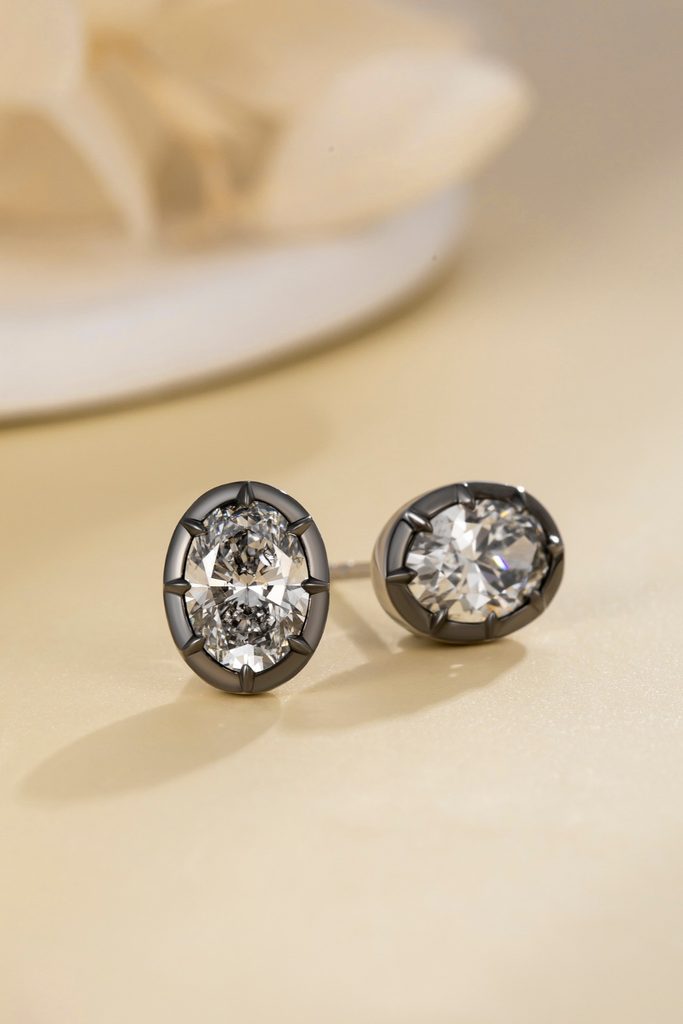
small order jewelry custom projects thrive when brands separate non‑negotiable brand features from nice‑to‑have decorative extras. Protected brand elements might include signature silhouette proportions, personalized engraving zones, and specific metal alloy requirements. Secondary features such as ultra‑fine texture layers, overly complex side‑stone layouts, or multi‑step specialty plating can be reserved for future larger production phases. Many successful startup brands launch core collections with three to five hero SKUs that fully carry their creative vision, instead of trying to push out ten or twelve fully‑custom complex styles in the very first production cycle.
Metal selection also creates major room for balanced decision‑making. Solid 14‑karat gold delivers premium consumer appeal but carries high material costs for small batches. Sterling silver with thick vermeil plating offers an alternative for demi‑fine lines, lowering entry‑level investment while retaining attractive visual presentation. Brands can tier their offering: premium hero styles in solid gold paired with accessible silver‑vermeil variants to capture wider customer segments without abandoning brand aesthetics. Thoughtful tiering helps spread risk while keeping every product aligned with brand storytelling.
Managing Production Workflows for Lab‑Diamond Custom Collections
Every custom lab‑diamond project follows a clear workflow from initial concept to finished goods delivery, and understanding each phase helps startup brands avoid preventable delays and miscommunication. The process begins with reference materials, whether hand‑drawn sketches, mood‑board imagery, or preliminary CAD drafts. Precise documentation covering metal karat, stone dimensions, setting technique, surface texture, and engraving instructions reduces misinterpretation between brand teams and production artisans. After design review, CAD files move to 3D‑printed wax prototypes for physical sample creation.
lab diamond custom jewelry production demands rigorous quality checks at multiple stages. Stone seating must be tested to prevent loose stones, surface polish must be consistent across every unit, and plating thickness needs inspection to guarantee long‑term wear performance. In small‑batch scenarios, manual inspection becomes especially critical because automated mass‑quality systems are rarely optimized for low‑volume output. Reputable production partners will share sample photos and physical pre‑production samples before full batch release, giving brands a chance to sign‑off on real‑world appearance instead of relying purely on digital visuals.
Lead times shift based on design complexity and stone availability. Simple custom‑adapted designs with accessible calibrated stones may complete within three to four weeks. Highly‑customized pieces with specialty center stones can extend to six to eight weeks. Startup brands should build buffer time into their launch timelines, accounting for potential sample revisions and stone‑sourcing hold‑ups. Clear communication on revision limits also avoids scope creep that inflates project cost and pushes delivery dates backward.
Scaling From Small‑Batch Foundations Toward Expanded Collections
Small‑batch manufacturing works best not only as a launch tactic but also as a market‑validation tool. When you produce limited quantities, you gather real sales feedback to identify which designs resonate most with your audience. Instead of guessing consumer preferences with large inventory commitments, you observe which SKUs drive customer inquiries, repeat interest, and social‑media engagement. These insights inform future scaling decisions.
Once market data confirms strong performance for specific styles, brands can increase order volumes to drive down per‑unit manufacturing costs. Tooling expenses that felt heavy on small‑batch runs distribute across more units, improving profit margins significantly. Many teams also expand customization options at this stage, adding more specialty stone shapes, advanced engraving work, and elaborate setting details that were cost‑prohibitive for initial small‑order cycles.
Even as you grow, retaining flexible small‑order capability remains valuable. Limited‑edition drops, seasonal capsule collections, and collaborative designer projects frequently do not require hundreds of units. Keeping open pathways for mixed‑volume orders lets brands stay agile, respond to fast‑moving consumer trends, and test creative new concepts without risking large capital outlays. Successful jewelry startups build supply‑chain relationships that support both small‑batch validation and larger‑volume scaling over time.
Running a jewelry startup with lab‑diamond pieces does not require accepting a compromise between creative uniqueness and realistic budgets. By learning which design features carry disproportionate manufacturing overhead, optimizing stone‑sourcing strategies, and respecting the practical realities of small‑order workflows, new brands can release cohesive, market‑ready collections. Thoughtful planning around sampling, material selection, and scope boundaries turns small‑batch production from a limitation into a strategic advantage for growing jewelry labels.
Leave a Reply